Technical Article|Hydrogen Embrittlement: The Invisible Material Threat of High‑Pressure Hydrogen
Hydrogen itself does not corrode metals, yet its destructive force operates at an invisible micro‑level. When high‑pressure hydrogen contacts metal, hydrogen atoms penetrate the metal lattice, degrading material toughness and causing sudden component cracking at stresses far below design limits. This phenomenon is known as hydrogen embrittlement. For hydrogen refuelling stations operating at 70 MPa (700 bar), hydrogen embrittlement is a critical risk that equipment engineers must address.
How Hydrogen Embrittlement Occurs?
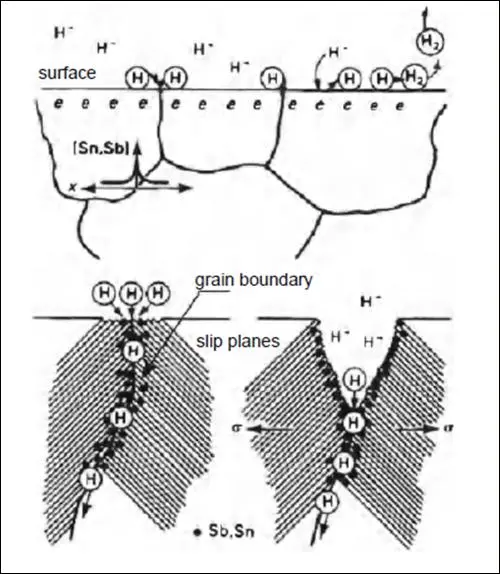
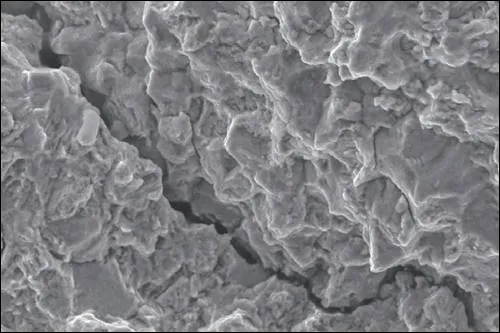
Hydrogen molecules dissociate into hydrogen atoms on metal surfaces and diffuse inward through lattice gaps. These atoms accumulate at micro‑defects such as grain boundaries and dislocations. Once local hydrogen concentration reaches a critical threshold, the metal suffers a sharp drop in fracture toughness. Micro‑cracks initiate and propagate rapidly even within allowable design stress ranges, resulting in unannounced brittle fracture.
What materials can resist high pressure hydrogen?
A material's resistance to hydrogen embrittlement is primarily determined by its crystal structure and mechanical strength: Austenitic stainless steel (e.g. 316L): Face‑centred‑cubic crystal structure delivers good hydrogen tolerance; widely adopted for high‑pressure hydrogen systems.
Aluminium alloys: Excellent resistance to hydrogen embrittlement with the key advantage of low density, ideal for lightweight designs. High‑strength steels & martensitic stainless steels: High susceptibility to hydrogen embrittlement; should be avoided under high‑pressure hydrogen conditions.
Besides material selection, reducing residual internal stress of components, optimising forming & surface processes and eliminating sharp corners that cause stress concentration can mitigate hydrogen embrittlement risks.

VIGOUR Hydrogen Series: Product Design against Hydrogen Embrittlement
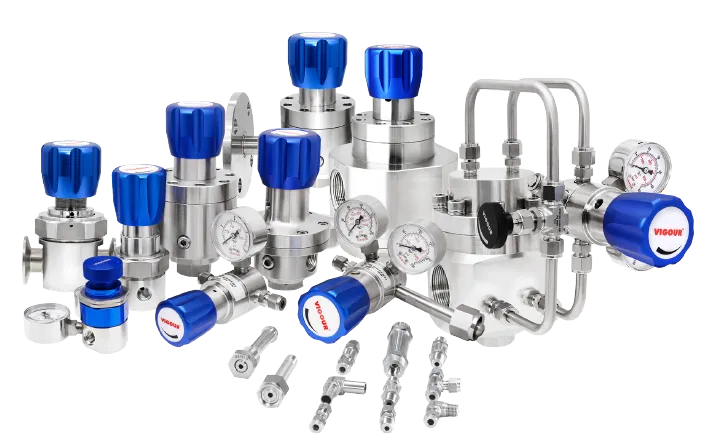
All VIGOUR hydrogen‑focused products are engineered with hydrogen embrittlement mitigation in mind: VSR‑9 Single‑Stage Hydrogen Regulator: 316L / electroplated aluminium body balances hydrogen compatibility and lightweight performance. Inlet: 350 / 700 bar; Outlet: 8‑30 bar; Cv value: 0.5. VSR‑92 Two‑Stage Hydrogen Regulator: Aluminium‑alloy body for weight reduction. Outlet: 2‑10 bar; Cv value: 0.17. Suitable for weight‑sensitive applications such as on‑board hydrogen supply and fuel‑cell test benches. Equipped with sealing components optimised for high‑pressure hydrogen, paired with VPT Explosion‑proof Pressure Sensor (Exd II CT6). Delivers multi‑layer safety protection for hydrogen refuelling stations, fuel‑cell test rigs and on‑board gas supply systems.

Three Practical Recommendations for Hydrogen‑System Users
Never substitute hydrogen‑specific regulators with general‑purpose gas regulators. Hydrogen‑rated units are purpose‑built in material selection, structural design and flow characteristics for hydrogen service.
Pay attention to stress concentration and vibration fatigue at connection joints. Conduct regular inspections on valves and high‑pressure pipelines.
For high‑pressure hydrogen projects, select brands with proven hydrogen‑compatibility design experience and relevant certifications.
Hydrogen safety lies in every detail of material selection. Pressure gauges and valve bodies are tangible hardware, while the micro‑scale contest between hydrogen atoms and metallic materials persists continuously. Proper material choice and product design constitute the most vital defence against hydrogen embrittlement.