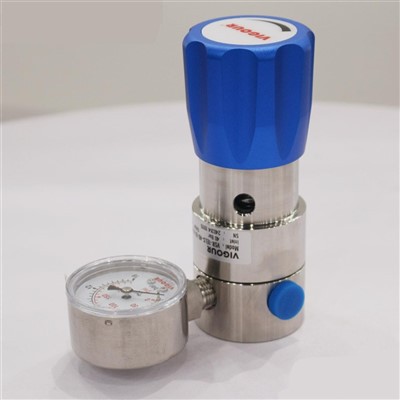
In the realm of fluid control systems, the ability to precisely control both pressure and flow is of paramount importance. This is where the Pressure Gas Needle Valve comes into play. As a trusted supplier of Pressure Gas Needle Valves, I have witnessed firsthand the significance of these valves in various industries, from aerospace to chemical processing. In this blog post, I will delve into the intricacies of how to control pressure and flow simultaneously using a Pressure Gas Needle Valve.
Understanding the Pressure Gas Needle Valve
Before we dive into the control techniques, it's essential to understand the basic structure and function of a Pressure Gas Needle Valve. A Pressure Gas Needle Valve consists of a slender, tapered needle that fits into a conical seat. By adjusting the position of the needle relative to the seat, the flow area can be precisely controlled. This fine control over the flow area allows for accurate regulation of both pressure and flow rate.
The valve body is typically made of high-quality materials such as stainless steel or brass, ensuring durability and resistance to corrosion. The needle is often made of a hard, wear-resistant material to withstand the high pressures and frequent adjustments. The valve is usually operated manually, either by a handwheel or a lever, although some models may be automated for more precise control.
Controlling Pressure and Flow Simultaneously
To control pressure and flow simultaneously with a Pressure Gas Needle Valve, a systematic approach is required. Here are the key steps involved:
Step 1: Determine the System Requirements
The first step is to understand the specific requirements of your system. This includes the desired pressure range, flow rate, and the type of gas or fluid being used. Different applications may have different pressure and flow requirements, so it's crucial to have a clear understanding of these parameters before selecting a valve.
For example, in a high-pressure gas system, you may need a valve that can handle pressures up to several thousand psi. On the other hand, in a low-pressure application, a valve with a lower pressure rating may be sufficient. Similarly, the flow rate requirements will depend on the specific process or application. By accurately determining these requirements, you can select the appropriate Pressure Gas Needle Valve for your system.


Step 2: Select the Right Valve
Once you have determined the system requirements, the next step is to select the right Pressure Gas Needle Valve. Consider factors such as valve size, material, pressure rating, and flow coefficient. The valve size should be chosen based on the expected flow rate and the pipe size of your system. The material of the valve should be compatible with the gas or fluid being used to prevent corrosion and ensure long-term performance.
The pressure rating of the valve should be higher than the maximum pressure expected in the system to ensure safe operation. The flow coefficient, also known as Cv, is a measure of the valve's ability to pass fluid. A higher Cv value indicates a larger flow capacity. Select a valve with a Cv value that is appropriate for your flow rate requirements.
As a Pressure Gas Needle Valve supplier, we offer a wide range of valves to meet different system requirements. Our valves are designed and manufactured to the highest quality standards, ensuring reliable performance and precise control. Whether you need a valve for a high-pressure gas system or a low-pressure application, we have the right solution for you.
Step 3: Install the Valve Correctly
Proper installation of the Pressure Gas Needle Valve is crucial for its optimal performance. Follow the manufacturer's installation instructions carefully to ensure correct alignment and sealing. The valve should be installed in a clean, dry environment to prevent contamination and damage.
When installing the valve, make sure to use the appropriate gaskets and seals to prevent leaks. Tighten the valve connections to the recommended torque to ensure a secure fit. It's also important to install the valve in the correct orientation, as some valves may have a specific flow direction.
Step 4: Adjust the Valve for Pressure and Flow Control
Once the valve is installed, you can start adjusting it to control the pressure and flow. Begin by fully closing the valve and then gradually opening it to allow a small amount of flow. Monitor the pressure and flow rate using appropriate instruments such as pressure gauges and flow meters.
To increase the flow rate, slowly turn the valve handle or handwheel in the opening direction. As the valve opens, the flow area increases, allowing more fluid to pass through. To decrease the flow rate, turn the valve handle in the closing direction.
To control the pressure, you can use the valve in conjunction with a pressure regulator. The pressure regulator helps maintain a constant pressure upstream of the valve. By adjusting the valve, you can control the flow rate while keeping the pressure constant.
It's important to make small adjustments to the valve and monitor the pressure and flow rate closely. This allows you to fine-tune the control and achieve the desired pressure and flow conditions.
Step 5: Monitor and Maintain the Valve
Regular monitoring and maintenance of the Pressure Gas Needle Valve are essential to ensure its long-term performance. Check the valve for any signs of leakage, wear, or damage. If you notice any issues, replace the gaskets, seals, or other components as needed.
Clean the valve periodically to remove any dirt, debris, or contaminants that may affect its performance. Lubricate the valve stem and other moving parts to ensure smooth operation. Follow the manufacturer's maintenance recommendations for the specific valve model.
Complementary Valve Solutions
In addition to Pressure Gas Needle Valves, we also offer a range of complementary valve solutions to meet your specific needs. For example, our High Pressure Gas Check Valve is designed to prevent backflow in high-pressure gas systems. It ensures that the gas flows in one direction only, protecting your system from damage.
Our UHP Diaphragm Valve is ideal for ultra-high purity applications. It provides a tight seal and prevents contamination, making it suitable for use in industries such as semiconductor manufacturing and pharmaceutical production.
The Low Pressure Diaphragm Valve is designed for low-pressure applications. It offers precise control and reliable performance, making it a popular choice in many industries.
Conclusion
Controlling pressure and flow simultaneously with a Pressure Gas Needle Valve requires a combination of proper valve selection, installation, adjustment, and maintenance. By following the steps outlined in this blog post, you can achieve precise control over your system's pressure and flow, ensuring optimal performance and efficiency.
As a leading Pressure Gas Needle Valve supplier, we are committed to providing high-quality valves and excellent customer service. If you have any questions or need assistance in selecting the right valve for your application, please don't hesitate to contact us. We look forward to discussing your requirements and helping you find the best solution for your system.
References
- Valve Handbook, Second Edition, by W. M. Wheeler
- Fluid Mechanics for Engineers, Third Edition, by R. L. Daugherty and J. B. Franzini
- Chemical Engineering Fluid Mechanics, Third Edition, by R. Byron Bird, Warren E. Stewart, and Edwin N. Lightfoot