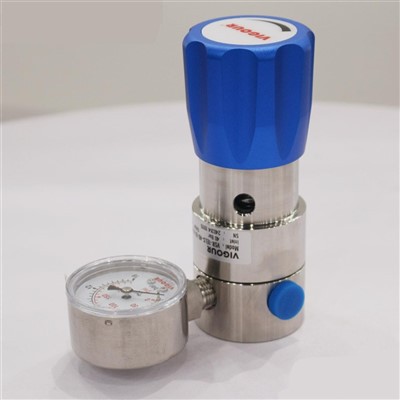
Hey there! As a supplier of Pressure Gas Needle Valves, I've seen firsthand how important it is to keep these valves properly lubricated. A well - lubricated valve not only ensures smooth operation but also extends its lifespan. In this blog, I'll walk you through how to lubricate a Pressure Gas Needle Valve.
Why Lubrication Matters
Before we jump into the how - to, let's talk about why lubricating your Pressure Gas Needle Valve is so crucial. These valves are often used in high - pressure gas systems, where precision and reliability are key. Over time, the moving parts of the valve can experience friction, which can lead to wear and tear. This wear can cause leaks, reduced performance, and even valve failure. Lubrication reduces this friction, allowing the valve to open and close smoothly and protecting its internal components.
What You'll Need
First things first, gather the necessary supplies. You'll need:
- A suitable lubricant: Make sure to choose a lubricant that is compatible with the materials of your valve and the gas it will be handling. Some common lubricants for Pressure Gas Needle Valves include silicone - based and fluorocarbon - based lubricants.
- Cleaning tools: You'll want to clean the valve before lubricating it. Items like a soft brush, lint - free cloth, and a suitable cleaning solvent can be very useful.
- Safety equipment: Since you'll be working with a high - pressure gas system, it's essential to wear safety glasses and gloves to protect yourself from any potential hazards.
Step 1: Shut Down and Isolate the System
Safety is the top priority. Before you start working on the valve, shut down the gas supply to the system. Then, isolate the valve by closing any upstream and downstream valves. This will prevent any gas from flowing through the valve while you're working on it and reduce the risk of accidents.


Step 2: Remove the Valve (if necessary)
Depending on the design of your system, you may need to remove the Pressure Gas Needle Valve for lubrication. Use the appropriate tools to carefully disconnect the valve from the piping. Make sure to keep track of any washers, nuts, or other small parts that you remove.
Step 3: Clean the Valve
Once the valve is removed (or if you're lubricating it in - place), it's time to clean it. Use the cleaning solvent and the soft brush to gently scrub the valve's exterior and interior surfaces. Pay special attention to the stem, seat, and threads, as these areas are prone to collecting dirt and debris. After scrubbing, wipe the valve down with the lint - free cloth to remove any remaining solvent and dirt.
Step 4: Choose the Right Lubricant
As I mentioned earlier, choosing the right lubricant is crucial. Check the valve's manufacturer guidelines to see what type of lubricant they recommend. Silicone - based lubricants are often a good choice as they offer good lubrication properties and are compatible with a wide range of materials. Fluorocarbon - based lubricants are also popular, especially in applications where chemical resistance is required.
Step 5: Apply the Lubricant
Now comes the main part – applying the lubricant. Start by applying a small amount of lubricant to the valve stem. Use your finger or a small applicator to spread the lubricant evenly along the length of the stem. Make sure to cover the threads as well, as this will help the valve open and close smoothly.
Next, apply a thin layer of lubricant to the valve seat. Be careful not to apply too much lubricant, as excess lubricant can attract dirt and debris, which can cause problems in the long run.
If your valve has other moving parts, such as the handle or the bonnet nut, apply a small amount of lubricant to these areas as well.
Step 6: Reassemble the Valve (if removed)
If you removed the valve in Step 2, it's time to put it back together. Carefully reattach the valve to the piping, making sure to use the correct washers and nuts. Tighten the connections securely, but be careful not to over - tighten, as this can damage the valve or the piping.
Step 7: Test the Valve
Once the valve is reassembled (or if you lubricated it in - place), it's time to test it. Slowly open the upstream valve to allow gas to flow into the system. Then, carefully open and close the Pressure Gas Needle Valve a few times to make sure it's operating smoothly. Check for any leaks around the valve connections. If you notice any leaks, tighten the connections or repeat the lubrication process.
Additional Tips
- Regular maintenance: Make lubricating your Pressure Gas Needle Valve a part of your regular maintenance schedule. How often you lubricate the valve will depend on its usage and the operating conditions, but a general rule of thumb is to lubricate it at least once a year.
- Keep records: Keep a record of when you lubricated the valve and what type of lubricant you used. This will help you track the valve's maintenance history and ensure that you're using the right lubricant for the job.
Related Products
If you're also interested in other types of high - pressure valves, we have some great options. For example, you might want to check out our High Pressure Gas Check Valve, which is designed to prevent backflow in high - pressure gas systems. We also offer High Pressure Diaphragm Valve and UHP Diaphragm Valve, which are suitable for applications where high - precision control and leak - tightness are required.
Conclusion
Lubricating a Pressure Gas Needle Valve is a relatively simple process, but it's one that can have a big impact on the performance and lifespan of your valve. By following the steps outlined in this blog, you can ensure that your valve operates smoothly and reliably for years to come.
If you have any questions about lubricating your Pressure Gas Needle Valve or if you're interested in purchasing one of our valves, don't hesitate to reach out. We're here to help you find the right solutions for your high - pressure gas system needs.
References
- Valve Manufacturer's Manuals
- Industry Standards for High - Pressure Gas Valves