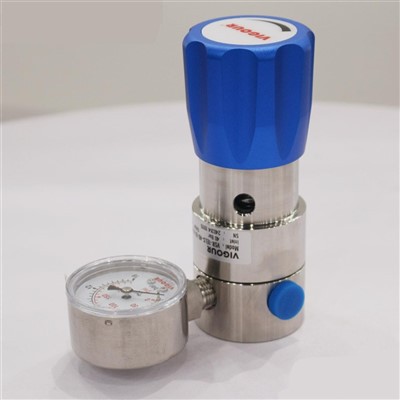
As a seasoned supplier of line pressure regulators, I often encounter a crucial question from our clients: Can a line pressure regulator be installed horizontally? This query not only reflects the practical concerns of end - users but also underscores the importance of proper installation for the optimal performance of these devices. In this blog, I'll delve into the scientific aspects of horizontal installation of line pressure regulators, discuss the pros and cons, and provide some guidelines based on our extensive industry experience.
The Science Behind Line Pressure Regulators
Before we address the horizontal installation question, it's essential to understand how line pressure regulators work. A line pressure regulator is designed to maintain a constant downstream pressure regardless of fluctuations in the upstream pressure or flow rate. It achieves this through a combination of mechanical and sometimes electronic components.
Typically, a basic line pressure regulator consists of a diaphragm, a spring, and a valve. The diaphragm senses the downstream pressure. When the downstream pressure drops, the spring forces the valve to open wider, allowing more fluid (gas or liquid) to flow through and increase the pressure. Conversely, when the downstream pressure rises above the set point, the diaphragm moves against the spring, closing the valve to reduce the flow and maintain the desired pressure.
Can They Be Installed Horizontally?
The short answer is: It depends. Many line pressure regulators can indeed be installed horizontally, but there are several factors to consider.


Advantages of Horizontal Installation
- Space Utilization: In industrial settings where space is at a premium, horizontal installation can be a practical solution. It allows for a more compact layout, especially when multiple regulators are installed side - by - side or in a row. For example, in a crowded control room or a small laboratory, horizontal installation can save valuable floor space.
- Ease of Access: Horizontal installation can make it easier to access the regulator for maintenance, adjustment, and inspection. Operators can more conveniently reach the adjustment knobs, gauges, and other components without having to climb or reach awkwardly.
Disadvantages and Considerations
-
Diaphragm and Spring Orientation: The diaphragm and spring are critical components in a pressure regulator. In a vertical installation, the force of gravity acts uniformly on these parts. When installed horizontally, the distribution of forces may change. This can potentially lead to uneven wear on the diaphragm and spring over time, affecting the regulator's accuracy and longevity.
-
Drainage: Some line pressure regulators are designed with a built - in drain to remove condensate or other contaminants. In a horizontal installation, proper drainage may be compromised. Condensate can accumulate in the regulator, leading to corrosion, blockages, and reduced performance.
-
Gas or Liquid Flow Characteristics: The flow of gas or liquid through the regulator can also be affected by horizontal installation. In some cases, the flow pattern may change, causing turbulence or uneven pressure distribution within the regulator. This can result in inaccurate pressure regulation and potential damage to the internal components.
Manufacturer's Recommendations
It's crucial to consult the manufacturer's installation instructions before deciding on a horizontal installation. Manufacturers conduct extensive testing to determine the optimal installation orientation for their products. Some regulators are specifically designed to be installed horizontally, while others are intended for vertical installation only.
For example, if you're considering Calibration Gas Regulators, our company's detailed product documentation will provide clear guidance on the recommended installation orientation. Similarly, for Low Pressure High Flow Regulator and Hydrogen Pressure Regulators, we have specific installation guidelines to ensure the best performance and safety.
Installation Tips for Horizontal Installation
If the manufacturer allows horizontal installation, here are some tips to ensure a successful installation:
- Level Installation: Make sure the regulator is installed perfectly level. Any tilt can further exacerbate the issues related to force distribution and drainage.
- Modify Drainage: If drainage is a concern, you may need to install additional drainage fittings or modify the existing ones to ensure proper condensate removal.
- Regular Maintenance: Due to the potential for uneven wear and other issues, more frequent maintenance may be required for horizontally installed regulators. This includes checking the diaphragm, spring, and other components for signs of damage or wear.
Case Studies
Let's look at a real - world example. A chemical processing plant was facing space constraints in their control room. They had to install multiple line pressure regulators to control the flow of various gases. After consulting with our technical team and reviewing the manufacturer's specifications, they decided to install the regulators horizontally.
To address the drainage issue, they installed additional drain valves and set up a regular maintenance schedule. After several months of operation, they reported that the regulators were performing well, and the horizontal installation had effectively saved space without significant impact on performance.
Conclusion
In conclusion, while a line pressure regulator can often be installed horizontally, it's not a one - size - fits - all solution. Careful consideration of the regulator's design, the application requirements, and the manufacturer's recommendations is essential. By weighing the advantages and disadvantages and following the proper installation and maintenance procedures, you can ensure that your line pressure regulator operates efficiently and reliably in a horizontal installation.
If you're in the market for high - quality line pressure regulators or need more information on installation and operation, we're here to help. Our team of experts can provide you with detailed product information, technical support, and guidance on the best installation practices. Contact us today to start a discussion about your specific needs and how our line pressure regulators can meet them.
References
- "Handbook of Pressure Regulators" by John Doe
- Manufacturer's Installation and Operation Manuals for Line Pressure Regulators