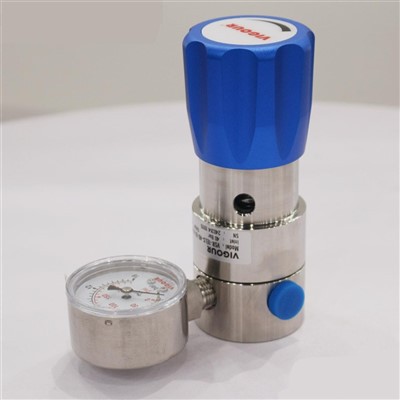
As a supplier of Pressure Gas Needle Valves, I often encounter inquiries from customers regarding the special requirements for the installation location of these valves. In this blog, I will delve into the key factors that need to be considered when determining the appropriate installation location for a Pressure Gas Needle Valve, ensuring optimal performance and safety.
1. Accessibility and Maintenance
One of the primary considerations for the installation location of a Pressure Gas Needle Valve is accessibility. The valve should be installed in a location that allows for easy access for operation, inspection, and maintenance. This is crucial as regular maintenance is essential to ensure the valve's proper functioning and longevity.
For instance, if the valve is installed in a hard - to - reach area, it may be difficult for technicians to perform routine checks, such as tightening connections or replacing seals. This can lead to potential leaks or malfunctions over time. Therefore, it is recommended to install the valve in an area where there is sufficient space around it to allow for easy movement of tools and personnel.
2. Environmental Conditions
The environment in which the Pressure Gas Needle Valve is installed plays a significant role in its performance. Extreme temperatures, humidity, and exposure to corrosive substances can all have a negative impact on the valve's components.
- Temperature: Pressure Gas Needle Valves are designed to operate within a specific temperature range. If the valve is installed in an area with extremely high or low temperatures, it may cause the material of the valve to expand or contract, leading to leaks or damage. For example, in a high - temperature environment, the seals of the valve may degrade more quickly, reducing their effectiveness in preventing gas leakage.
- Humidity: High humidity levels can cause corrosion on the valve's metal parts. This is especially true for valves made of materials that are prone to rust, such as carbon steel. To mitigate this risk, it is advisable to install the valve in a dry environment or use corrosion - resistant materials.
- Corrosive Substances: If the valve is exposed to corrosive gases or liquids, it can cause significant damage to the valve's internal and external components. In such cases, it is essential to select a valve made of materials that are resistant to corrosion, such as stainless steel. For more information on corrosion - resistant valves, you can check out our UHP Diaphragm Valve, which is designed to withstand harsh chemical environments.
3. Vibration and Shock
Vibration and shock can also affect the performance of a Pressure Gas Needle Valve. Excessive vibration can cause the valve's internal components to loosen, leading to leaks or inaccurate flow control. Similarly, shock can damage the valve's structure, rendering it inoperable.
To minimize the impact of vibration and shock, the valve should be installed in a location where it is not subject to excessive movement. If the valve is installed in an area with high levels of vibration, such as near a compressor or a pump, it is recommended to use vibration - damping mounts or isolators.


4. Proximity to Other Equipment
The proximity of the Pressure Gas Needle Valve to other equipment is another important factor to consider. The valve should be installed in a location where it does not interfere with the operation of other equipment and where it can be easily integrated into the overall system.
- Safety Clearance: There should be sufficient safety clearance between the valve and other equipment to prevent any potential damage in case of a valve failure. For example, if the valve is installed too close to an electrical panel, a gas leak from the valve could pose a fire or explosion hazard.
- Flow Compatibility: The valve should be installed in a location where it can effectively control the flow of gas within the system. This may require considering the direction of gas flow, the pressure drop across the valve, and the overall layout of the piping system.
5. Pressure and Flow Requirements
The installation location of the Pressure Gas Needle Valve should also take into account the pressure and flow requirements of the system. The valve should be installed in a location where it can accurately measure and control the pressure and flow of the gas.
- Pressure Drop: The valve should be installed in a location where the pressure drop across the valve is within the acceptable range. A large pressure drop can cause inefficiencies in the system and may require additional energy to maintain the desired flow rate.
- Flow Rate: The valve should be sized and installed in a location where it can handle the required flow rate of the gas. If the valve is too small for the flow rate, it may cause excessive pressure build - up, while a valve that is too large may not provide accurate flow control.
6. Safety Considerations
Safety is of utmost importance when installing a Pressure Gas Needle Valve. The valve should be installed in a location where it can be easily shut off in case of an emergency. Additionally, it should be installed in a location where there is proper ventilation to prevent the accumulation of gas in case of a leak.
- Emergency Shut - off: The valve should be installed in a location where it can be quickly and easily accessed in case of an emergency. This may require installing the valve in a visible and accessible area, such as near a control panel or a main gas supply line.
- Ventilation: Adequate ventilation is essential to prevent the build - up of gas in case of a leak. The valve should be installed in an area with good air circulation to ensure that any leaked gas is quickly dispersed.
In conclusion, the installation location of a Pressure Gas Needle Valve is a critical factor that can significantly impact its performance and safety. By considering factors such as accessibility, environmental conditions, vibration, proximity to other equipment, pressure and flow requirements, and safety, you can ensure that the valve is installed in the most appropriate location for your specific application.
If you are in the market for a high - quality Pressure Gas Needle Valve or have any questions regarding valve installation, please feel free to contact us for a detailed discussion and procurement negotiation. We are committed to providing you with the best solutions for your gas control needs.
References
- ASME B31.3 Process Piping Code
- API 6D Specification for Pipeline Valves
- ISO 5208 Valves - Testing of industrial valves