


Hey there, folks! I'm a supplier of Gas Psi Gauges, and today I'm gonna walk you through the process of installing a gas psi gauge in a gas-powered generator. Whether you're a seasoned DIYer or just looking to learn something new, this guide is for you.
Why Install a Gas Psi Gauge?
Before we dive into the installation process, let's talk about why you might want to install a gas psi gauge in the first place. A gas psi gauge measures the pressure of the gas in your generator's fuel system. This is important because it helps you ensure that your generator is running at the optimal pressure, which can improve its performance, efficiency, and lifespan.
If the gas pressure is too low, your generator may not start or may run poorly. On the other hand, if the gas pressure is too high, it can cause damage to the generator's components, such as the carburetor or fuel injectors. By monitoring the gas pressure with a psi gauge, you can catch these issues early and take corrective action before they cause serious problems.
Tools and Materials You'll Need
Here's a list of the tools and materials you'll need to install a gas psi gauge in your gas-powered generator:

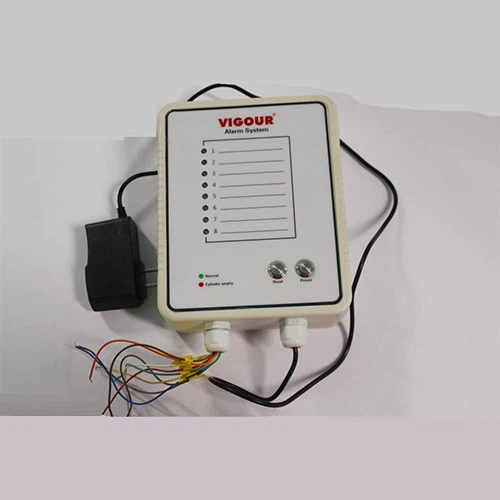
- Gas Psi Gauge: You can find a high-quality Gas Psi Gauge on our website.
- Wrench Set: You'll need a set of wrenches to remove and install the necessary fittings.
- Teflon Tape: This helps create a tight seal between the fittings and prevents gas leaks.
- Safety Glasses and Gloves: Always wear safety glasses and gloves to protect yourself from any potential hazards.
Step-by-Step Installation Guide
Now that you have all the tools and materials you need, let's get started with the installation process.
Step 1: Turn Off the Generator
Before you start working on your generator, make sure it's turned off and cooled down. This will prevent any accidental starts or burns.
Step 2: Locate the Gas Line
The next step is to locate the gas line on your generator. This is usually a small pipe that connects the fuel tank to the carburetor or fuel injectors. You may need to refer to your generator's owner's manual to find the exact location of the gas line.
Step 3: Remove the Gas Line Fitting
Once you've located the gas line, use a wrench to remove the fitting that connects the gas line to the carburetor or fuel injectors. Be careful not to damage the fitting or the gas line.
Step 4: Wrap the Fittings with Teflon Tape
Before installing the gas psi gauge, wrap the threads of the fittings with Teflon tape. This will help create a tight seal and prevent gas leaks. Make sure to wrap the tape in the direction of the threads.
Step 5: Install the Gas Psi Gauge
Now it's time to install the gas psi gauge. Carefully thread the gauge onto the fitting that you removed in Step 3. Use a wrench to tighten the gauge, but be careful not to overtighten it.
Step 6: Reconnect the Gas Line
Once the gas psi gauge is installed, reconnect the gas line to the gauge. Make sure the fitting is tightened securely to prevent gas leaks.
Step 7: Check for Leaks
After reconnecting the gas line, turn on the gas supply and check for any gas leaks. You can do this by applying a soapy water solution to the fittings and looking for bubbles. If you see any bubbles, tighten the fitting or apply more Teflon tape until the leak stops.
Step 8: Test the Gauge
Once you've checked for leaks, start the generator and let it run for a few minutes. Check the gas psi gauge to make sure it's reading the correct pressure. If the pressure is too high or too low, you may need to adjust the regulator on your generator.
Additional Tips and Considerations
- Use a High Purity Gas Filter: To ensure the accuracy of your gas psi gauge and the performance of your generator, consider using a High Purity Gas Filter. This will help remove any impurities from the gas and prevent them from clogging the gauge or the generator's components.
- Install a Gas Alarm System: For added safety, consider installing a Gas Alarm System. This will alert you if there's a gas leak in your generator or the surrounding area.
- Follow the Manufacturer's Instructions: Always follow the manufacturer's instructions when installing and using your gas psi gauge and generator. This will help ensure your safety and the proper functioning of your equipment.
Contact Us for More Information
If you have any questions or need further assistance with installing a gas psi gauge in your gas-powered generator, don't hesitate to contact us. We're a leading supplier of Gas Psi Gauges and other high-quality gas accessories, and we're here to help you find the right products for your needs. Whether you're a professional mechanic or a DIY enthusiast, we have the expertise and experience to provide you with the best solutions.
So, what are you waiting for? Visit our website today to browse our selection of Gas Psi Gauges and other gas accessories. And if you have any questions or need help with your purchase, just give us a call or send us an email. We're here to make your experience as easy and hassle-free as possible.
References
- Generator Owner's Manual
- Gas Psi Gauge Installation Instructions


