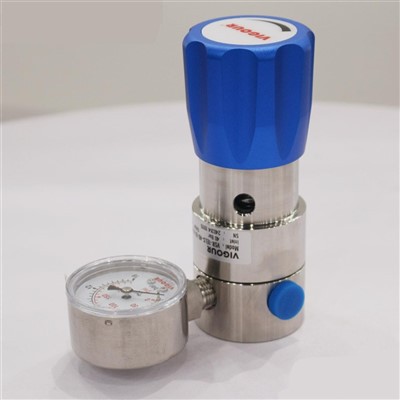
What is the valve disc material of hp valves?
As a trusted supplier of high - performance HP valves, I often encounter inquiries about the valve disc materials used in our products. The valve disc is a crucial component in HP (high - pressure) valves, as it directly affects the valve's performance, durability, and suitability for different applications. In this blog, I will delve into the various materials commonly used for valve discs in HP valves, their properties, and the applications they are best suited for.
Common Valve Disc Materials
Stainless Steel
Stainless steel is one of the most widely used materials for valve discs in HP valves. It offers excellent corrosion resistance, which is essential when the valve is exposed to corrosive fluids or gases. Different grades of stainless steel are available, such as 304 and 316.
Grade 304 stainless steel is a general - purpose material that contains 18% chromium and 8% nickel. It provides good strength and corrosion resistance in a variety of environments. For example, in water treatment plants where the valves are used to control the flow of treated water, 304 stainless steel valve discs can withstand the mild corrosive nature of the water over an extended period.
Grade 316 stainless steel, on the other hand, contains molybdenum in addition to chromium and nickel. This makes it more resistant to pitting and crevice corrosion, especially in chloride - rich environments. In offshore oil and gas platforms, where the valves are exposed to saltwater, 316 stainless steel valve discs are a popular choice to ensure long - term reliability.
Alloy Steel
Alloy steel valve discs are known for their high strength and toughness. They are often used in high - pressure and high - temperature applications. Alloy steels can be customized by adding different alloying elements such as chromium, molybdenum, and vanadium to achieve specific properties.
For instance, chromium - molybdenum alloy steels are commonly used in power generation plants. These plants operate at high pressures and temperatures, and the valve discs need to withstand extreme conditions. The chromium in the alloy provides oxidation resistance, while the molybdenum enhances the strength and creep resistance of the material. This allows the valve discs to function properly even under the most demanding circumstances.
Titanium
Titanium is a lightweight yet extremely strong material. It has excellent corrosion resistance, especially in aggressive environments such as those containing seawater, acids, and alkalis. Titanium valve discs are often used in chemical processing industries where the valves need to handle highly corrosive chemicals.
The high strength - to - weight ratio of titanium also makes it suitable for applications where weight reduction is a concern. In aerospace applications, for example, HP valves with titanium valve discs can help reduce the overall weight of the system without sacrificing performance.
Hastelloy
Hastelloy is a family of nickel - based alloys that are highly resistant to corrosion in a wide range of chemical environments. These alloys are particularly effective in resisting corrosion by strong acids, such as sulfuric acid and hydrochloric acid.
In chemical plants that produce or handle these strong acids, Hastelloy valve discs are the preferred choice. They can prevent valve failure due to corrosion, ensuring the safe and efficient operation of the chemical processes.
Applications and Compatibility
The choice of valve disc material depends largely on the specific application of the HP valve. For instance, in the natural gas industry, High Pressure Gas Relief Valve are used to protect the system from over - pressure. The valve disc material for these relief valves needs to be able to withstand the high - pressure gas flow and any potential contaminants in the gas. Stainless steel or alloy steel valve discs are often used in such applications due to their strength and corrosion resistance.
High Pressure Gas Check Valve are used to prevent backflow in gas pipelines. The valve disc material should be able to provide a tight seal to prevent gas leakage. Depending on the nature of the gas and the operating conditions, different materials such as stainless steel, titanium, or Hastelloy can be selected.
Pressure Gas Needle Valve are used for precise flow control of gases. The valve disc material should be able to provide smooth and accurate movement to ensure proper flow regulation. Stainless steel is a common choice for needle valve discs due to its machinability and corrosion resistance.
Importance of Material Selection
Selecting the right valve disc material is crucial for the proper functioning and longevity of HP valves. Using an inappropriate material can lead to premature valve failure, which can result in costly repairs, production downtime, and even safety hazards.
For example, if a valve disc made of a material with poor corrosion resistance is used in a corrosive environment, the disc may corrode over time, leading to leakage and loss of valve function. This can not only disrupt the normal operation of the system but also pose a risk to the safety of the personnel and the environment.
On the other hand, choosing a high - quality and suitable valve disc material can enhance the performance and reliability of the HP valve. It can reduce maintenance requirements, extend the service life of the valve, and ultimately save costs for the end - user.
Conclusion
In conclusion, the valve disc material of HP valves plays a vital role in determining the valve's performance, durability, and suitability for different applications. Stainless steel, alloy steel, titanium, and Hastelloy are some of the common materials used for valve discs, each with its own unique properties and advantages.
When selecting a valve disc material, it is essential to consider the specific requirements of the application, such as the nature of the fluid or gas, the operating pressure and temperature, and the presence of any corrosive substances. As a reliable HP valve supplier, we have the expertise and experience to help our customers choose the most appropriate valve disc material for their needs.


If you are in the market for high - quality HP valves and need assistance in selecting the right valve disc material for your application, please feel free to contact us for a consultation. We are committed to providing you with the best valve solutions to meet your specific requirements.
References
- ASM Handbook Volume 13A: Corrosion: Fundamentals, Testing, and Protection.
- Valve Handbook, 4th Edition by Robert W. McKetta and William A. Cunningham.
- Materials Science and Engineering: An Introduction by William D. Callister Jr. and David G. Rethwisch.