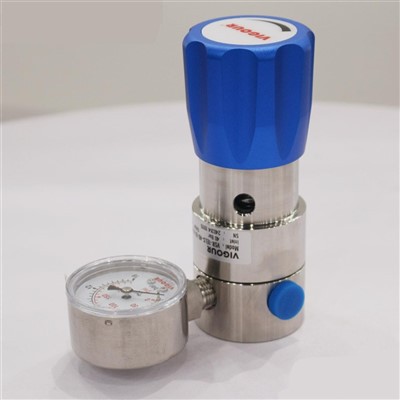
Maintaining a pressure regulator gas stick is crucial for ensuring its optimal performance, safety, and longevity. As a reputable supplier of pressure regulator gas sticks, I understand the significance of proper maintenance and the role it plays in the smooth operation of various applications. In this blog post, I will delve into the factors that influence the maintenance frequency of a pressure regulator gas stick and provide some guidelines to help you keep your equipment in top condition.
Understanding Pressure Regulator Gas Sticks
Before we discuss the maintenance frequency, let's briefly understand what a pressure regulator gas stick is and how it works. A pressure regulator gas stick is a device used to control and maintain a consistent pressure of gas flowing through a system. It is commonly used in a wide range of industries, including manufacturing, healthcare, food and beverage, and laboratory settings.
The primary function of a pressure regulator gas stick is to reduce the high-pressure gas from a source, such as a gas cylinder or a pipeline, to a lower, more manageable pressure suitable for the specific application. It achieves this by using a diaphragm or a piston mechanism that adjusts the flow of gas based on the pressure differential between the inlet and the outlet.
Factors Affecting Maintenance Frequency
The maintenance frequency of a pressure regulator gas stick can vary depending on several factors. Here are some of the key factors that you need to consider:
1. Operating Conditions
The operating conditions in which the pressure regulator gas stick is used can have a significant impact on its maintenance requirements. For example, if the gas being regulated contains contaminants, such as dust, moisture, or chemicals, it can cause wear and tear on the internal components of the regulator. In such cases, more frequent maintenance may be required to prevent clogging, corrosion, and other issues.
Similarly, extreme temperatures, high humidity, or harsh environmental conditions can also affect the performance of the pressure regulator gas stick. For instance, in hot and humid environments, the seals and gaskets may deteriorate more quickly, leading to leaks. In cold temperatures, the viscosity of the gas may increase, affecting the regulator's ability to maintain a consistent pressure.
2. Usage Frequency
The frequency of use is another important factor to consider when determining the maintenance frequency of a pressure regulator gas stick. If the regulator is used continuously or for extended periods, it will experience more wear and tear compared to a regulator that is used intermittently. In general, more frequent maintenance is recommended for regulators that are used heavily.
3. Gas Type
Different gases have different properties, and some gases can be more corrosive or reactive than others. For example, gases such as oxygen, chlorine, and hydrogen can cause corrosion or oxidation of the internal components of the pressure regulator gas stick. If you are using a regulator to control these types of gases, you may need to perform more frequent maintenance to prevent damage.
4. Manufacturer Recommendations
The manufacturer of the pressure regulator gas stick will typically provide recommendations regarding the maintenance frequency and procedures. These recommendations are based on extensive testing and research and should be followed closely to ensure the proper functioning of the equipment. It is important to note that the manufacturer's recommendations may vary depending on the specific model and application of the regulator.
General Maintenance Guidelines
Based on the factors mentioned above, here are some general guidelines for determining the maintenance frequency of a pressure regulator gas stick:
1. Visual Inspections
Regular visual inspections are an important part of maintaining a pressure regulator gas stick. You should visually inspect the regulator for any signs of damage, such as cracks, leaks, or corrosion, at least once a month. Look for any loose connections, worn-out seals, or damaged components. If you notice any issues during the inspection, you should address them immediately to prevent further damage.
2. Cleaning and Lubrication
Cleaning and lubrication are essential for keeping the internal components of the pressure regulator gas stick in good condition. Depending on the operating conditions and the type of gas being regulated, you may need to clean the regulator every 3 to 6 months. Use a clean, dry cloth to wipe the exterior of the regulator and remove any dirt or debris. For the internal components, follow the manufacturer's instructions for cleaning and lubrication.
3. Pressure Testing
Periodic pressure testing is recommended to ensure that the pressure regulator gas stick is functioning properly. You should perform pressure testing at least once a year or more frequently if the regulator is used in critical applications. Use a calibrated pressure gauge to measure the inlet and outlet pressures and compare them to the specified values. If the pressures are outside the acceptable range, you may need to adjust or replace the regulator.
4. Seal and Gasket Replacement
The seals and gaskets in the pressure regulator gas stick are critical for preventing leaks. Over time, these seals and gaskets may wear out or deteriorate, leading to leaks. You should replace the seals and gaskets every 1 to 2 years or as recommended by the manufacturer. Make sure to use high-quality seals and gaskets that are compatible with the gas being regulated.
Specific Maintenance Frequencies for Different Types of Regulators
In addition to the general maintenance guidelines, here are some specific maintenance frequencies for different types of pressure regulator gas sticks:
1. Single Stage Gas Pressure Regulator
A single stage gas pressure regulator is a simple and cost-effective option for regulating the pressure of gas. It is typically used in applications where a constant pressure is required and the flow rate is relatively low. For single stage gas pressure regulators, visual inspections should be performed monthly, cleaning and lubrication every 3 to 6 months, pressure testing annually, and seal and gasket replacement every 1 to 2 years.
2. High in High Out Gas Pressure Regulator
A high in high out gas pressure regulator is designed to handle high inlet pressures and provide a high outlet pressure. It is commonly used in applications such as industrial processes, gas pipelines, and high-pressure gas storage systems. Due to the high pressures involved, high in high out gas pressure regulators require more frequent maintenance. Visual inspections should be performed weekly, cleaning and lubrication every 1 to 3 months, pressure testing every 6 months, and seal and gasket replacement every 6 to 12 months.
3. High Purity Gas Regulator
A high purity gas regulator is used to regulate the pressure of high-purity gases, such as those used in semiconductor manufacturing, pharmaceutical production, and laboratory applications. These regulators are designed to minimize contamination and ensure the purity of the gas. High purity gas regulators require strict maintenance procedures to prevent contamination. Visual inspections should be performed daily, cleaning and lubrication every 1 to 2 months, pressure testing every 3 months, and seal and gasket replacement every 3 to 6 months.
Importance of Regular Maintenance
Regular maintenance of a pressure regulator gas stick is not only important for ensuring its optimal performance but also for safety reasons. A poorly maintained regulator can lead to leaks, pressure fluctuations, and other issues that can pose a risk to personnel and equipment. By following the recommended maintenance frequency and procedures, you can minimize the risk of downtime, extend the lifespan of the regulator, and ensure the safe and efficient operation of your system.
Contact Us for Your Pressure Regulator Gas Stick Needs
As a leading supplier of pressure regulator gas sticks, we offer a wide range of high-quality regulators to meet your specific needs. Our products are designed and manufactured to the highest standards of quality and reliability, and we provide comprehensive technical support and after-sales service.


If you are looking for a pressure regulator gas stick or need assistance with maintenance and troubleshooting, please do not hesitate to contact us. Our team of experts will be happy to help you find the right solution for your application and provide you with all the information you need.
References
- "Gas Pressure Regulators: Principles, Types, and Applications" by John Doe
- "Maintenance and Troubleshooting of Pressure Regulators" by Jane Smith
- Manufacturer's manuals and technical documentation for pressure regulator gas sticks