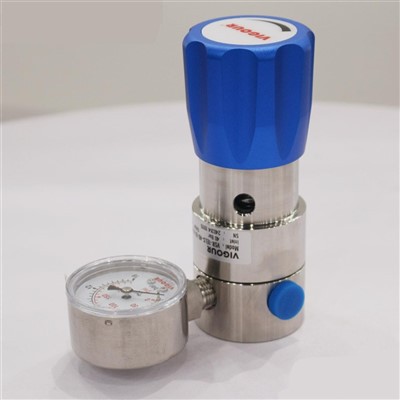
A back gas pressure regulator is a crucial component in various gas systems, ensuring that the pressure of the gas remains within a safe and optimal range. As a supplier of back gas pressure regulators, I understand the importance of proper installation to guarantee the regulator's efficiency and longevity. In this blog, I will discuss the installation requirements for a back gas pressure regulator, providing you with essential information to ensure a successful installation.
1. Site Selection
The first step in installing a back gas pressure regulator is to choose an appropriate site. The location should meet the following criteria:
- Accessibility: The regulator should be installed in a location that allows easy access for maintenance, inspection, and adjustment. This means it should not be placed in cramped or hard - to - reach areas.
- Ventilation: Adequate ventilation is essential to prevent the accumulation of gas in case of a leak. The installation site should be well - ventilated to ensure the safety of the surrounding environment.
- Protection from the Elements: The regulator should be protected from extreme weather conditions such as rain, snow, and direct sunlight. Exposure to these elements can damage the regulator and affect its performance. A shelter or enclosure can be used to provide protection.
- Distance from Ignition Sources: The installation site should be located at a safe distance from any potential ignition sources, such as open flames, electrical equipment that may produce sparks, or hot surfaces. This reduces the risk of a gas explosion in case of a leak.
2. Pipework Requirements
Proper pipework is essential for the correct functioning of the back gas pressure regulator. Here are some key pipework requirements:
- Pipe Size: The pipe size should be selected based on the flow rate and pressure requirements of the gas system. Using an undersized pipe can lead to excessive pressure drop, while an oversized pipe may result in inefficient operation. Consult the manufacturer's guidelines to determine the appropriate pipe size for your application.
- Pipe Material: The pipe material should be compatible with the type of gas being used. For example, stainless steel pipes are often used for corrosive gases, while copper or brass pipes may be suitable for non - corrosive gases. Ensure that the pipe material is rated for the operating pressure of the gas system.
- Pipe Installation: The pipes should be installed in a straight and level manner to minimize pressure drop and ensure smooth gas flow. Avoid sharp bends or kinks in the pipes, as these can cause turbulence and affect the regulator's performance. Use appropriate fittings, such as elbows and couplings, to connect the pipes securely.
- Pipe Cleaning: Before connecting the regulator to the pipework, the pipes should be thoroughly cleaned to remove any dirt, debris, or contaminants. This helps to prevent blockages in the regulator and ensures its proper operation.
3. Mounting the Regulator
The back gas pressure regulator should be mounted correctly to ensure its stability and proper functioning. Here are the mounting requirements:
- Mounting Orientation: The regulator should be mounted in the correct orientation as specified by the manufacturer. Some regulators are designed to be mounted vertically, while others can be mounted horizontally. Mounting the regulator in the wrong orientation can affect its performance and accuracy.
- Mounting Bracket: Use a suitable mounting bracket to secure the regulator to a stable surface. The mounting bracket should be strong enough to support the weight of the regulator and withstand any vibrations or shocks that may occur during operation.
- Leveling: Ensure that the regulator is level when mounted. A non - level regulator can cause inaccurate pressure readings and affect its performance. Use a spirit level to check the levelness during installation.
4. Electrical Requirements (if applicable)
Some back gas pressure regulators may have electrical components, such as pressure sensors or control valves. If your regulator has electrical requirements, the following should be considered:
- Power Supply: Ensure that the power supply is compatible with the regulator's electrical specifications. The voltage and frequency of the power supply should match the requirements of the regulator.
- Wiring: The electrical wiring should be installed in accordance with the relevant electrical codes and standards. Use appropriate cables and connectors, and ensure that the wiring is properly insulated to prevent electrical shorts.
- Grounding: The regulator should be properly grounded to protect against electrical hazards. Connect the grounding wire to a suitable grounding point as specified by the manufacturer.
5. Testing and Commissioning
After the installation is complete, it is essential to test and commission the back gas pressure regulator to ensure its proper operation. Here are the steps involved:
- Leak Testing: Conduct a thorough leak test on the entire gas system, including the regulator and the pipework. Use a leak detection solution or a gas detector to check for any leaks. If a leak is detected, it should be repaired immediately before proceeding with further testing.
- Pressure Testing: Adjust the regulator to the desired set pressure and conduct a pressure test to ensure that it maintains the set pressure within the specified tolerance. Monitor the pressure over a period of time to ensure its stability.
- Flow Testing: Conduct a flow test to verify that the regulator can handle the required flow rate of the gas system. Measure the flow rate and compare it with the design specifications.
- Functional Testing: Test all the functions of the regulator, such as pressure adjustment, shut - off valves, and alarm systems (if applicable). Ensure that all functions are working correctly.
6. Training and Documentation
Proper training and documentation are essential for the safe and efficient operation of the back gas pressure regulator. Here are some points to consider:
- Operator Training: Provide training to the operators on the installation, operation, and maintenance of the back gas pressure regulator. The operators should be familiar with the regulator's functions, safety procedures, and troubleshooting techniques.
- Documentation: Keep a record of the installation, including the installation date, the model and serial number of the regulator, the pipework details, and the test results. This documentation can be useful for future reference, maintenance, and compliance purposes.
As a supplier of back gas pressure regulators, we offer a wide range of products to meet your specific needs. Our Pressure Regulator Gas Stick is a reliable option for many applications, providing accurate pressure control. For medical applications, our Medical Gas Pressure Regulator is designed to meet the strict requirements of the medical industry. We also offer Pressure Regulator Extension for applications where additional reach is required.
If you are in the market for a back gas pressure regulator or need further information on installation requirements, we encourage you to contact us for a detailed discussion. Our team of experts is ready to assist you in selecting the right product and ensuring a successful installation. We look forward to the opportunity to work with you and provide you with high - quality gas pressure regulation solutions.


References
- Gas Industry Standards and Guidelines
- Manufacturer's Installation and Operation Manuals for Back Gas Pressure Regulators
- Relevant Safety Codes and Regulations for Gas Systems