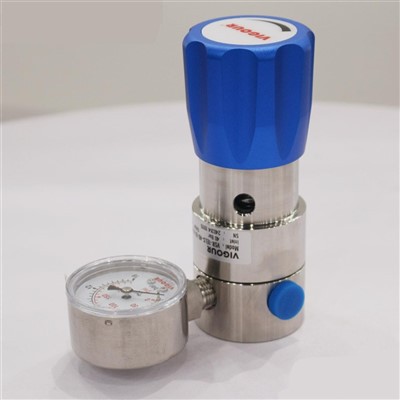
As a supplier of HP gas regulators, I've witnessed firsthand the importance of compatibility between these regulators and gas hoses. In the world of gas systems, ensuring that all components work seamlessly together is not just a matter of convenience; it's a critical safety and efficiency concern. In this blog post, I'll delve into the common compatibility issues that can arise between HP gas regulators and gas hoses and offer insights on how to address them.
Understanding HP Gas Regulators and Gas Hoses
Before we explore the compatibility issues, let's briefly understand what HP gas regulators and gas hoses are. HP gas regulators are devices designed to control the pressure of gas flowing from a high - pressure source, such as a gas cylinder, to a lower, more usable pressure. They come in various types, each with specific functions and pressure - control capabilities. For example, the Cylinder Gas Pressure Regulator is specifically designed to regulate the pressure of gas coming from a cylinder, ensuring a stable and safe flow.
Gas hoses, on the other hand, are flexible tubes used to transport gas from the regulator to the end - use equipment. They are made from different materials, such as rubber, PVC, or stainless steel, and have different ratings for pressure, temperature, and chemical resistance.
Compatibility Issues
Pressure Rating Mismatch
One of the most common compatibility issues is a mismatch in pressure ratings between the HP gas regulator and the gas hose. Gas regulators are designed to output gas at a specific pressure range. If the gas hose is not rated to handle the pressure output by the regulator, it can lead to serious problems.
For instance, if a high - pressure regulator, like the High Pressure High Flow Regulator, which is capable of delivering gas at very high pressures, is connected to a low - pressure gas hose, the hose may burst. This not only poses a significant safety risk but can also result in gas leaks, which can be hazardous in both industrial and domestic settings.
Conversely, if a low - pressure regulator is used with a high - pressure rated hose, it may not be an immediate safety concern, but it can lead to inefficiencies. The high - pressure rated hose is often more expensive and may have a larger internal diameter, which can cause the gas flow to be slower than necessary, affecting the performance of the end - use equipment.
Thread Compatibility
Another crucial aspect of compatibility is the thread type and size. HP gas regulators and gas hoses use different types of threads for connection. There are standard thread sizes, such as NPT (National Pipe Thread) and BSP (British Standard Pipe), and different thread pitches and angles.
If the threads on the regulator and the hose do not match, it can be impossible to make a proper connection. Even if a connection can be forced, it may not be secure, leading to gas leaks. For example, a regulator with a male NPT thread may not fit properly into a hose with a BSP female thread. This issue can be particularly challenging when dealing with international suppliers or when replacing components in an existing gas system.
Chemical Compatibility
The gas being transported through the system also plays a role in compatibility. Different gases have different chemical properties, and the materials used in the gas regulator and the hose must be compatible with the gas.
For example, some gases, such as oxygen or chlorine, are highly reactive. If a gas hose made from a material that is not resistant to these gases is used, it can degrade over time. The hose may become brittle, develop cracks, or even dissolve, leading to gas leaks. Similarly, the internal components of the regulator, such as diaphragms and seals, must be made from materials that can withstand the chemical properties of the gas. The Back Gas Pressure Regulator may have specific requirements for chemical compatibility depending on the gas it is designed to regulate.
Temperature Compatibility
Temperature can also affect the compatibility between HP gas regulators and gas hoses. Gas hoses and regulators are rated for specific temperature ranges. If the operating temperature is outside of these ranges, it can cause problems.
In cold temperatures, some rubber hoses may become stiff and lose their flexibility, making them more prone to cracking. The seals in the regulator may also shrink, leading to gas leaks. In high - temperature environments, the materials in the hose and the regulator may expand, which can affect the pressure - control performance of the regulator and cause the hose to soften or melt.
Addressing Compatibility Issues
Proper Selection
The first step in addressing compatibility issues is to ensure proper selection of the HP gas regulator and the gas hose. When purchasing a regulator, consider the pressure requirements of the end - use equipment, the type of gas being used, and the temperature and environmental conditions.


For the gas hose, make sure to choose a hose with a pressure rating that is equal to or higher than the output pressure of the regulator. Check the thread type and size to ensure a proper fit. Also, select a hose material that is compatible with the gas being transported.
Consultation
If you are unsure about the compatibility of components, it is always a good idea to consult with a professional. As a supplier, I often provide technical support to customers to help them select the right components for their gas systems. We can help you understand the pressure ratings, thread types, and chemical compatibility requirements based on your specific needs.
Regular Inspection and Maintenance
Once the gas regulator and hose are installed, regular inspection and maintenance are essential. Check for signs of wear and tear, such as cracks, leaks, or corrosion. Replace any components that show signs of damage immediately.
Conclusion
In conclusion, compatibility between HP gas regulators and gas hoses is a complex but critical issue. Pressure rating mismatches, thread compatibility problems, chemical incompatibilities, and temperature issues can all lead to safety risks, inefficiencies, and equipment malfunctions.
As a supplier of HP gas regulators, I am committed to providing high - quality products and helping customers ensure the compatibility of their gas systems. By carefully selecting components, consulting with professionals, and performing regular maintenance, you can avoid these compatibility issues and ensure the safe and efficient operation of your gas system.
If you are in the market for HP gas regulators or need help with compatibility issues in your gas system, I encourage you to reach out for a procurement discussion. We can work together to find the best solutions for your specific needs.
References
- ASME B31.3 Process Piping Code
- ISO 10297 Gas cylinders - Cylinder valves - Requirements and type - testing
- NFPA 55 Compressed Gases and Cryogenic Fluids Code