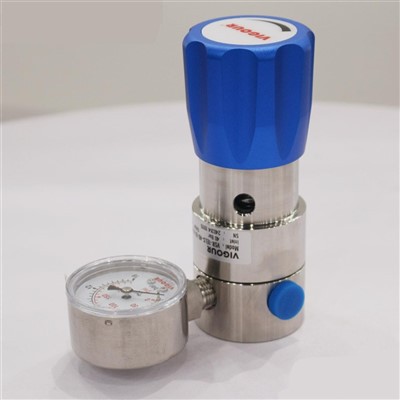
Installing a Pressure Gas Needle Valve in a pipeline is a crucial process that requires careful planning and execution. As a Pressure Gas Needle Valve supplier, I have witnessed firsthand the importance of proper installation to ensure the safety and efficiency of gas systems. In this blog post, I will guide you through the step-by-step process of installing a Pressure Gas Needle Valve in a pipeline, highlighting key considerations and best practices along the way.
Step 1: Gather the Necessary Tools and Materials
Before you begin the installation process, it is essential to gather all the necessary tools and materials. Here's a list of items you will need:

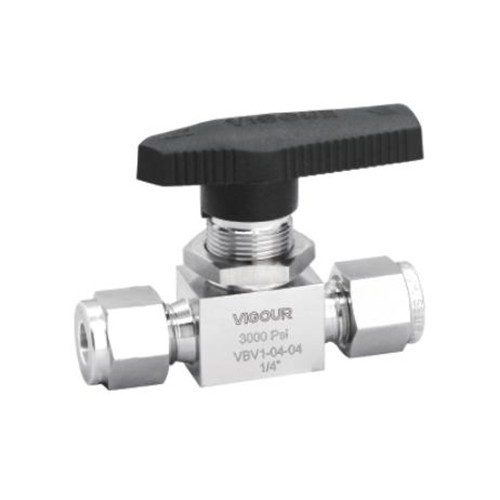
- Pressure Gas Needle Valve: Ensure you have the correct valve for your application. You can find a wide range of Pressure Gas Needle Valves on our website Pressure Gas Needle Valve.
- Piping: Select the appropriate piping material and size for your gas system. Common materials include stainless steel, brass, and copper.
- Pipe Fittings: You will need various pipe fittings such as couplings, elbows, and tees to connect the valve to the pipeline.
- Sealing Materials: Use appropriate sealing materials such as Teflon tape or gasket to prevent leaks.
- Wrenches: Have a set of wrenches in different sizes to tighten the fittings securely.
- Pipe Cutter: If you need to cut the piping to the required length, a pipe cutter will come in handy.
- Safety Equipment: Wear safety goggles, gloves, and a face mask to protect yourself from any potential hazards.
Step 2: Prepare the Pipeline
Once you have gathered all the necessary tools and materials, it's time to prepare the pipeline for valve installation. Follow these steps:
- Shut Off the Gas Supply: Before you start working on the pipeline, make sure to shut off the gas supply to prevent any gas leaks.
- Drain the Pipeline: If there is any gas or liquid in the pipeline, drain it completely to avoid any spills during the installation process.
- Clean the Pipeline: Use a pipe cleaner or a wire brush to clean the inside of the pipeline to remove any dirt, debris, or rust. This will ensure a proper seal between the valve and the pipeline.
- Measure and Cut the Piping: Measure the length of the piping required to connect the valve to the pipeline and use a pipe cutter to cut it to the appropriate length. Make sure to cut the piping at a 90-degree angle for a clean and precise fit.
Step 3: Install the Pressure Gas Needle Valve
Now that the pipeline is prepared, it's time to install the Pressure Gas Needle Valve. Follow these steps:
- Apply Sealing Material: Wrap Teflon tape around the male threads of the valve and the pipe fittings to create a tight seal. Make sure to wrap the tape in the direction of the threads to prevent it from unraveling.
- Connect the Valve to the Pipeline: Insert the valve into the pipeline and align it with the pipe fittings. Use a wrench to tighten the fittings securely, but be careful not to overtighten them as this can damage the valve or the piping.
- Check for Leaks: Once the valve is installed, turn on the gas supply and check for any leaks. You can use a soapy water solution to detect leaks. Apply the solution to the connections and look for bubbles. If you notice any bubbles, tighten the fittings further or replace the sealing material.
Step 4: Test the Valve
After installing the Pressure Gas Needle Valve and checking for leaks, it's important to test the valve to ensure it is functioning properly. Follow these steps:
- Open and Close the Valve: Slowly open and close the valve several times to make sure it moves smoothly and without any resistance.
- Check the Flow Rate: Use a flow meter to measure the flow rate of the gas through the valve. Make sure the flow rate is within the specified range for your application.
- Monitor the Pressure: Use a pressure gauge to monitor the pressure of the gas in the pipeline. Make sure the pressure is within the safe operating range for your system.
Step 5: Maintain the Valve
Once the Pressure Gas Needle Valve is installed and tested, it's important to maintain it regularly to ensure its continued performance and longevity. Here are some maintenance tips:
- Inspect the Valve Regularly: Check the valve for any signs of wear and tear, such as leaks, corrosion, or damage. If you notice any issues, replace the valve immediately.
- Clean the Valve: Clean the valve periodically to remove any dirt, debris, or contaminants that may affect its performance. You can use a mild detergent and a soft brush to clean the valve.
- Lubricate the Valve: Lubricate the valve periodically to ensure smooth operation. Use a lubricant recommended by the valve manufacturer.
- Follow the Manufacturer's Instructions: Always follow the manufacturer's instructions for installation, operation, and maintenance of the Pressure Gas Needle Valve.
Key Considerations and Best Practices
- Choose the Right Valve: Select a Pressure Gas Needle Valve that is suitable for your application in terms of pressure rating, flow rate, and temperature. Consider factors such as the type of gas, the operating conditions, and the required level of control.
- Install the Valve in the Correct Orientation: Make sure to install the valve in the correct orientation as indicated by the manufacturer. Installing the valve in the wrong orientation can affect its performance and may even cause damage to the valve or the pipeline.
- Use the Right Tools and Materials: Use high-quality tools and materials to ensure a proper and secure installation. Using substandard tools or materials can lead to leaks, malfunctions, or safety hazards.
- Follow Safety Procedures: Always follow safety procedures when working with gas systems. Wear appropriate safety equipment, shut off the gas supply before starting work, and check for leaks regularly.
- Seek Professional Help if Needed: If you are unsure about any aspect of the installation process or if you encounter any problems, seek professional help from a qualified technician or a gas engineer.
Conclusion
Installing a Pressure Gas Needle Valve in a pipeline is a complex process that requires careful planning, proper tools, and attention to detail. By following the steps outlined in this blog post and considering the key considerations and best practices, you can ensure a successful installation and a safe and efficient gas system.
If you are in the market for a Pressure Gas Needle Valve or other high-pressure valves, we invite you to explore our website Pressure Gas Needle Valve. We also offer a wide range of High Pressure Diaphragm Valve and Stainless Steel Gas Ball Valve to meet your specific needs.
For more information or to discuss your requirements, please feel free to contact us. Our team of experts is always ready to assist you with your valve selection and installation needs.
References
- "Valve Handbook: A Guide to Valve Selection, Sizing, and Application" by Valve Manufacturers Association
- "Piping Handbook" by Crane Co.
- "Gas Safety Regulations" by Occupational Safety and Health Administration (OSHA)