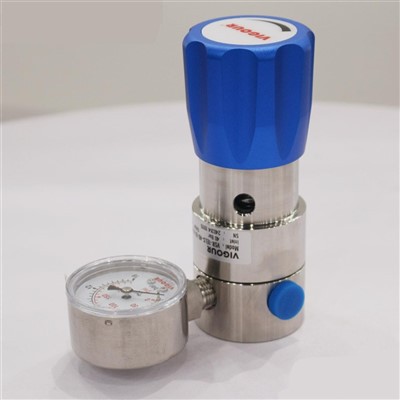
As a seasoned supplier of Cylinder Connectors, I've witnessed firsthand the critical role these components play in various industrial applications. One of the most frequently asked questions we receive from our customers is about the temperature range within which cylinder connectors can operate effectively. In this blog post, I'll delve into this topic, exploring the factors that influence the temperature range and providing practical insights for ensuring optimal performance.
Understanding the Basics of Cylinder Connectors
Before we discuss the temperature range, let's briefly review what cylinder connectors are and their significance. Cylinder connectors are essential components used to connect cylinders, hoses, and other equipment in fluid transfer systems. They ensure a secure and leak - free connection, allowing for the smooth flow of gases or liquids. These connectors come in a variety of types, including Tube Fitting Adaptor, Cylinder Connectors, and Quick Release Gas Connectors, each designed for specific applications and requirements.
Factors Affecting the Temperature Range
The temperature range for cylinder connectors to work properly is influenced by several key factors:
Material Composition
The materials used in the construction of cylinder connectors are a primary determinant of their temperature tolerance. Common materials include brass, stainless steel, and various polymers.
- Brass Connectors: Brass is a popular choice due to its good corrosion resistance and relatively low cost. However, brass has a limited temperature range. Generally, brass cylinder connectors can operate effectively between - 40°F (-40°C) and 250°F (121°C). At temperatures above this range, brass may start to lose its mechanical strength, leading to potential leaks or failures.
- Stainless Steel Connectors: Stainless steel offers superior corrosion resistance and higher temperature tolerance compared to brass. Most stainless - steel cylinder connectors can withstand temperatures ranging from - 200°F (-129°C) to 400°F (204°C). This makes them suitable for applications in extreme environments, such as cryogenic or high - temperature industrial processes.
- Polymer Connectors: Polymers, such as nylon or PTFE (Teflon), are often used for their chemical resistance and flexibility. The temperature range for polymer connectors varies depending on the specific polymer. For example, nylon connectors typically operate between - 40°F (-40°C) and 200°F (93°C), while PTFE connectors can handle temperatures from - 328°F (-200°C) to 500°F (260°C).
Sealing Materials
The seals used in cylinder connectors are also sensitive to temperature. O - rings, gaskets, and other sealing components are crucial for preventing leaks. Different sealing materials have different temperature ratings:
- Nitrile Rubber (NBR) Seals: NBR is a common sealing material known for its good oil and fuel resistance. It has a temperature range of approximately - 40°F (-40°C) to 250°F (121°C). At higher temperatures, NBR may harden and lose its elasticity, resulting in seal failure.
- Viton Seals: Viton is a high - performance fluoroelastomer with excellent chemical and heat resistance. Viton seals can operate between - 20°F (-29°C) and 400°F (204°C), making them suitable for high - temperature and chemical - aggressive environments.
- Silicone Seals: Silicone seals offer a wide temperature range, typically from - 65°F (-54°C) to 450°F (232°C). They are known for their flexibility and resistance to ozone and UV radiation.
Pressure and Flow Conditions
The pressure and flow rate of the fluid passing through the cylinder connectors can also affect their temperature performance. Higher pressures and flow rates can generate more heat, which may impact the connector's temperature range. In applications with high - pressure or high - flow conditions, it is essential to select connectors and seals that can handle the additional thermal stress.
Optimal Temperature Ranges for Different Applications
Based on the above factors, here are the optimal temperature ranges for different types of applications:
General Industrial Applications
In most general industrial applications, such as pneumatic or hydraulic systems, a temperature range of - 40°F (-40°C) to 250°F (121°C) is sufficient. Brass or stainless - steel connectors with NBR seals are commonly used in these applications. These connectors provide a good balance between cost, performance, and temperature tolerance.
High - Temperature Applications
For applications involving high - temperature processes, such as furnace operations or steam systems, stainless - steel connectors with Viton or silicone seals are recommended. These components can withstand temperatures up to 400°F (204°C) or higher, ensuring reliable performance in extreme heat.
Cryogenic Applications
In cryogenic applications, where temperatures can drop to extremely low levels, such as in liquefied natural gas (LNG) storage or transportation, stainless - steel connectors with PTFE seals or cryogenic - grade polymers are the best choice. These materials can handle temperatures as low as - 328°F (-200°C) without losing their functionality.
Ensuring Proper Operation within the Temperature Range
To ensure that cylinder connectors work properly within the specified temperature range, the following steps should be taken:
Select the Right Connector
Choose the appropriate cylinder connector based on the application's temperature requirements, fluid type, and pressure conditions. Consider the material composition and sealing materials to ensure compatibility with the operating environment.


Monitor Temperature
Regularly monitor the temperature of the fluid and the connector itself. This can be done using temperature sensors or infrared thermometers. If the temperature approaches or exceeds the recommended range, take appropriate measures, such as adjusting the process parameters or replacing the connectors.
Maintenance and Inspection
Perform regular maintenance and inspections on the cylinder connectors. Check for signs of wear, corrosion, or damage, especially on the seals. Replace any worn or damaged components promptly to prevent leaks and failures.
Conclusion
The temperature range for cylinder connectors to work properly is a complex issue influenced by material composition, sealing materials, and application conditions. By understanding these factors and selecting the right connectors for your specific needs, you can ensure reliable and efficient operation in a wide range of temperatures.
If you're in the market for high - quality cylinder connectors, we are here to help. Our extensive range of Cylinder Connectors, Tube Fitting Adaptor, and Quick Release Gas Connectors is designed to meet the most demanding requirements. Contact us to discuss your specific application and let us assist you in finding the perfect solution for your business.
References
- ASME B31.3 Process Piping Code
- ASTM Standards for Materials and Testing
- Manufacturer's Technical Data Sheets for Cylinder Connectors and Sealing Materials