


The tear resistance of the diaphragm in an Ultra-High Purity (UHP) Diaphragm Valve is a critical factor that determines the valve's performance, reliability, and service life. As a supplier of UHP Diaphragm Valves, I understand the importance of this characteristic and its implications for various industries, including semiconductor manufacturing, pharmaceutical production, and high-purity gas handling.
Understanding UHP Diaphragm Valves
UHP Diaphragm Valves are designed to provide precise control of fluid flow in applications where contamination must be minimized. These valves use a flexible diaphragm to separate the fluid path from the valve actuator, preventing any potential leakage or contamination from the actuator into the fluid. The diaphragm is typically made of materials such as PTFE (Polytetrafluoroethylene), EPDM (Ethylene Propylene Diene Monomer), or other high-performance polymers, which offer excellent chemical resistance and low outgassing properties.
The UHP Diaphragm Valve is widely used in industries where the purity of the fluid being handled is of utmost importance. For example, in semiconductor manufacturing, even the slightest contamination can lead to defects in the microchips, resulting in significant losses. Similarly, in the pharmaceutical industry, the purity of the drugs being produced is critical for patient safety. Therefore, UHP Diaphragm Valves play a crucial role in ensuring the integrity of the fluid handling process.
Importance of Tear Resistance
The tear resistance of the diaphragm is a measure of its ability to withstand tearing forces without failing. In a UHP Diaphragm Valve, the diaphragm is subjected to various stresses during operation, including pressure differentials, mechanical forces from the actuator, and chemical interactions with the fluid. If the diaphragm has poor tear resistance, it may tear or rupture under these stresses, leading to leakage of the fluid, contamination of the system, and ultimately, failure of the valve.
A diaphragm with high tear resistance can withstand these stresses for a longer period, ensuring reliable operation of the valve. This reduces the frequency of valve replacements, minimizing downtime and maintenance costs. Additionally, it enhances the safety of the system by preventing the leakage of hazardous fluids.
Factors Affecting Tear Resistance
Several factors can affect the tear resistance of the diaphragm in a UHP Diaphragm Valve. These include:
Material Selection
The choice of material for the diaphragm is one of the most important factors affecting its tear resistance. Different materials have different mechanical properties, and some are more resistant to tearing than others. For example, PTFE is known for its excellent chemical resistance and low friction, but it may have relatively lower tear resistance compared to some other polymers. On the other hand, EPDM has good tear resistance and is also resistant to a wide range of chemicals. Therefore, the material selection should be based on the specific requirements of the application, including the type of fluid being handled, the operating pressure and temperature, and the expected service life of the valve.

Diaphragm Thickness
The thickness of the diaphragm also plays a role in its tear resistance. Generally, a thicker diaphragm will have higher tear resistance than a thinner one. However, increasing the thickness of the diaphragm may also affect the flexibility of the valve, reducing its ability to open and close properly. Therefore, a balance must be struck between tear resistance and flexibility when determining the appropriate diaphragm thickness.
Manufacturing Process
The manufacturing process used to produce the diaphragm can also affect its tear resistance. A well-manufactured diaphragm will have a uniform structure and consistent mechanical properties, which will enhance its tear resistance. On the other hand, a diaphragm with defects or inconsistencies in its structure may be more prone to tearing. Therefore, it is important to use high-quality manufacturing processes and quality control measures to ensure the integrity of the diaphragm.
Operating Conditions
The operating conditions of the valve, such as the pressure, temperature, and flow rate of the fluid, can also affect the tear resistance of the diaphragm. High pressures and temperatures can increase the stress on the diaphragm, making it more likely to tear. Similarly, high flow rates can cause erosion and abrasion of the diaphragm, reducing its tear resistance over time. Therefore, it is important to operate the valve within its specified limits to ensure the longevity of the diaphragm.
Testing Tear Resistance
To ensure the tear resistance of the diaphragm in a UHP Diaphragm Valve, various testing methods can be used. One common method is the tear strength test, which measures the force required to tear a specimen of the diaphragm material. This test can be performed using a tensile testing machine, which applies a controlled force to the specimen until it tears. The tear strength is then calculated based on the maximum force applied and the dimensions of the specimen.
Another method is the fatigue test, which simulates the repeated opening and closing of the valve to evaluate the long-term durability of the diaphragm. In this test, the diaphragm is subjected to a large number of cycles of stress, and its performance is monitored over time. Any signs of tearing or degradation are recorded, and the results are used to determine the expected service life of the diaphragm.
Applications and Considerations
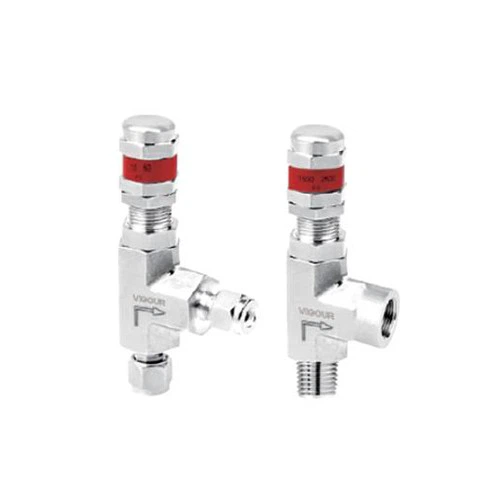
In different applications, the requirements for tear resistance may vary. For example, in high-pressure gas handling applications, the diaphragm must be able to withstand the high pressures without tearing. In this case, a diaphragm with high tear resistance and good pressure resistance is required. The High Pressure Gas Check Valve and High Pressure Gas Relief Valve are two examples of valves used in high-pressure gas systems, where the tear resistance of the diaphragm is crucial for their proper functioning.
In chemical processing applications, the diaphragm must also be resistant to the chemicals being handled. Some chemicals can cause swelling or degradation of the diaphragm material, reducing its tear resistance. Therefore, in these applications, a diaphragm material with good chemical resistance and high tear resistance must be selected.
Conclusion
The tear resistance of the diaphragm in a UHP Diaphragm Valve is a critical characteristic that affects the performance, reliability, and safety of the valve. As a supplier of UHP Diaphragm Valves, we understand the importance of providing valves with diaphragms that have high tear resistance. By carefully selecting the material, controlling the manufacturing process, and testing the tear resistance of the diaphragms, we can ensure that our valves meet the highest standards of quality and performance.
If you are in need of UHP Diaphragm Valves for your application, we invite you to contact us for further discussion. Our team of experts can help you select the right valve for your specific requirements and provide you with the best solutions for your fluid handling needs.
References
- "Handbook of Valves and Actuators" by John R. Cameron
- "Materials Science and Engineering: An Introduction" by William D. Callister Jr. and David G. Rethwisch
- "Fluid Mechanics and Hydraulics" by Robert L. Mott


