


Hey there! As a supplier of Ultra-High Purity (UHP) Diaphragm Valves, I often get asked about how to adjust the flow rate of these valves. It's a crucial aspect, especially when you're dealing with applications that require precise control of fluid or gas flow. So, let's dive right in and explore the ins and outs of adjusting the flow rate of UHP Diaphragm Valves.
First off, let's understand what a UHP Diaphragm Valve is. These valves are designed to handle ultra-high purity fluids and gases. They're commonly used in industries like semiconductor manufacturing, pharmaceuticals, and food and beverage, where any contamination can have serious consequences. The diaphragm in these valves acts as a barrier between the fluid or gas and the valve body, preventing any leakage and ensuring a clean and reliable flow.
Now, onto the main topic - adjusting the flow rate. There are a few key steps and factors to consider when you want to fine-tune the flow rate of a UHP Diaphragm Valve.
Understanding the Basics of Flow Rate
Before you start adjusting the valve, it's important to have a basic understanding of flow rate. Flow rate is the volume of fluid or gas that passes through a valve in a given amount of time. It's usually measured in units like liters per minute (LPM) or cubic feet per minute (CFM). The flow rate of a UHP Diaphragm Valve can be affected by several factors, including the pressure of the fluid or gas, the size of the valve opening, and the viscosity of the fluid.
Step 1: Check the Valve's Condition
The first step in adjusting the flow rate is to make sure the valve is in good working condition. Check for any signs of damage or wear, such as cracks in the diaphragm or leaks around the valve body. If you notice any issues, it's best to replace the damaged parts before attempting to adjust the flow rate. A faulty valve can lead to inaccurate flow rate adjustments and may even cause problems in your system.
Step 2: Determine the Desired Flow Rate
Next, you need to figure out what flow rate you actually need. This will depend on your specific application. For example, in a semiconductor manufacturing process, you might need a very precise and consistent flow rate to ensure the quality of the products. On the other hand, in a less critical application, you might have a bit more flexibility. Once you've determined the desired flow rate, you can start making adjustments to the valve.
Step 3: Adjust the Valve Opening
The most common way to adjust the flow rate of a UHP Diaphragm Valve is by changing the size of the valve opening. This can usually be done by turning the valve's handle or actuator. Most UHP Diaphragm Valves have a handwheel or a lever that you can use to open or close the valve. Turning the handwheel clockwise will usually close the valve, reducing the flow rate, while turning it counterclockwise will open the valve, increasing the flow rate.
It's important to make these adjustments slowly and carefully. Sudden or large adjustments can cause the flow rate to fluctuate and may even damage the valve. As you make the adjustments, keep an eye on the flow rate meter or gauge to see how the changes are affecting the flow.
Step 4: Consider the Pressure
The pressure of the fluid or gas in your system can also have a big impact on the flow rate. If the pressure is too high, it can cause the flow rate to increase, even if the valve opening is small. On the other hand, if the pressure is too low, the flow rate may be lower than expected.
To account for the pressure, you may need to make additional adjustments to the valve opening. For example, if the pressure is high, you might need to close the valve a bit more to achieve the desired flow rate. Conversely, if the pressure is low, you might need to open the valve wider.
Step 5: Use a Flow Control Device
In some cases, you may need to use a flow control device to more accurately adjust the flow rate. There are several types of flow control devices available, such as flow meters, regulators, and controllers. These devices can help you monitor and adjust the flow rate in real-time, ensuring that it stays within the desired range.
For example, a flow meter can measure the actual flow rate of the fluid or gas passing through the valve. You can then use this information to make more precise adjustments to the valve opening. A regulator, on the other hand, can help maintain a constant pressure in the system, which can also help stabilize the flow rate.
Step 6: Test and Verify
Once you've made the adjustments, it's important to test the valve to make sure the flow rate is correct. You can do this by using a flow meter or by observing the performance of your system. If the flow rate is still not where you want it, you may need to go back and make further adjustments.
It's also a good idea to verify the flow rate over a period of time to make sure it remains consistent. This can help you catch any potential issues early on and prevent problems in your system.
Other Types of Valves for Different Applications
While UHP Diaphragm Valves are great for many applications, there are other types of valves that you might also consider depending on your specific needs. For example, if you're dealing with low-pressure applications, you might want to check out our Low Pressure Diaphragm Valve. These valves are designed to handle low-pressure fluids and gases with precision.
On the other hand, if you need to relieve high-pressure gas in your system, our High Pressure Gas Relief Valve could be a good option. These valves are designed to open automatically when the pressure in the system exceeds a certain level, preventing damage to your equipment.
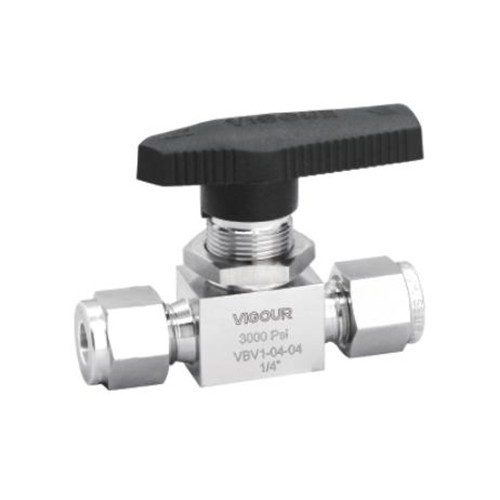
And if you're looking for a valve that's easy to operate and provides a reliable shut-off, our Stainless Steel Gas Ball Valve might be just what you need. These valves are made of high-quality stainless steel and are suitable for a wide range of gas applications.
Conclusion
Adjusting the flow rate of a UHP Diaphragm Valve is a process that requires careful attention to detail. By following the steps outlined above and considering the factors that affect flow rate, you can ensure that your valve is providing the precise flow rate you need for your application.
If you have any questions about UHP Diaphragm Valves or need help with flow rate adjustments, don't hesitate to reach out. We're here to help you find the right valve solutions for your needs and ensure that your systems are running smoothly. Whether you're a small business or a large industrial operation, we have the expertise and products to meet your requirements. So, if you're in the market for UHP Diaphragm Valves or any other types of valves, feel free to contact us for a consultation and let's start a procurement discussion.
References
- Valve Handbook: A Guide to Valve Technology and Applications
- Fluid Mechanics and Hydraulics textbooks


