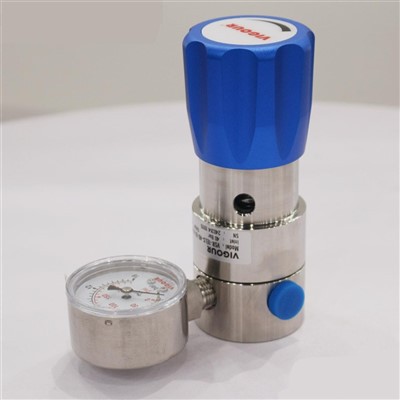
A gas alarm system is a crucial safety device designed to detect the presence of various gases in the air and alert occupants of a potential hazard. As a leading supplier of gas alarm systems, we understand the importance of these systems in safeguarding lives and property. In this blog, we will explore what a gas alarm system is, how it works, its types, applications, and why you should consider investing in one.
What is a Gas Alarm System?
A gas alarm system is an electronic device that continuously monitors the air for the presence of specific gases. When the concentration of a target gas exceeds a pre - set threshold, the alarm is triggered, usually through a loud sound, a visual signal, or both. These systems are essential in environments where the leakage of gases can pose a significant risk, such as industrial facilities, laboratories, residential kitchens, and commercial buildings.


How Does a Gas Alarm System Work?
Gas alarm systems typically consist of three main components: a gas sensor, a control unit, and an alarm device.
The gas sensor is the heart of the system. It is designed to detect and measure the concentration of specific gases. Different types of sensors are used depending on the gas to be detected. For example, electrochemical sensors are commonly used for detecting toxic gases like carbon monoxide (CO) and hydrogen sulfide (H₂S), while catalytic bead sensors are used for detecting combustible gases such as methane (CH₄) and propane (C₃H₈).
The control unit receives the signals from the gas sensor. It processes the data and compares the gas concentration to the pre - set alarm levels. If the concentration exceeds the threshold, the control unit activates the alarm device.
The alarm device can be a loud siren, a flashing light, or a combination of both. In some advanced systems, the alarm can also be connected to a central monitoring station or a building management system, allowing for remote monitoring and quick response.
Types of Gas Alarm Systems
There are several types of gas alarm systems available in the market, each designed for specific applications:
Single - Gas Detectors
These are the simplest type of gas alarm systems. They are designed to detect only one type of gas. For example, a carbon monoxide detector is a single - gas detector that is commonly used in homes to protect against the silent and deadly threat of CO poisoning.
Multi - Gas Detectors
Multi - gas detectors can detect multiple gases simultaneously. They are often used in industrial environments where workers may be exposed to a variety of hazardous gases. These detectors can be configured to detect different combinations of gases, such as oxygen (O₂), combustible gases, and toxic gases.
Fixed Gas Alarm Systems
Fixed gas alarm systems are permanently installed in a specific location. They are commonly used in industrial plants, refineries, and factories where continuous monitoring of gas levels is required. These systems are usually connected to a central control panel and can provide real - time data on gas concentrations.
Portable Gas Alarm Systems
Portable gas alarm systems are designed to be carried by individuals. They are commonly used by firefighters, industrial workers, and emergency responders. Portable detectors are battery - powered and can provide immediate warning of gas hazards in the field.
Applications of Gas Alarm Systems
Gas alarm systems have a wide range of applications in various industries and settings:
Industrial Applications
In the industrial sector, gas alarm systems are used to protect workers from the dangers of toxic and combustible gases. They are installed in chemical plants, oil and gas refineries, mines, and manufacturing facilities. For example, in a chemical plant, gas alarm systems can detect the leakage of hazardous chemicals such as chlorine (Cl₂) and ammonia (NH₃), preventing potential accidents and ensuring the safety of workers.
Residential Applications
In homes, gas alarm systems are essential for protecting against carbon monoxide poisoning and gas leaks. Carbon monoxide is a colorless, odorless gas that is produced by the incomplete combustion of fossil fuels such as natural gas, oil, and wood. A carbon monoxide detector can alert homeowners to the presence of this deadly gas, allowing them to take immediate action to prevent poisoning. Gas leak detectors can also be installed in kitchens to detect the leakage of natural gas or propane, reducing the risk of fire and explosion.
Commercial Applications
In commercial buildings, gas alarm systems are used to ensure the safety of employees and customers. They are installed in restaurants, hotels, shopping malls, and office buildings. For example, in a restaurant, a gas alarm system can detect the leakage of natural gas from the kitchen appliances, preventing potential fires and ensuring the safety of diners.
Why You Should Consider Investing in a Gas Alarm System
Investing in a gas alarm system is a wise decision for several reasons:
Safety
The primary reason to install a gas alarm system is to protect lives and property. Gas leaks can lead to explosions, fires, and toxic gas exposure, which can cause serious injuries and even death. A gas alarm system can detect the presence of gases early, allowing occupants to evacuate the area and take appropriate action to prevent accidents.
Compliance
In many industries, the installation of gas alarm systems is required by law. For example, in the United States, the Occupational Safety and Health Administration (OSHA) has specific regulations regarding the use of gas detection equipment in the workplace. By installing a gas alarm system, businesses can ensure compliance with these regulations and avoid costly fines.
Peace of Mind
Knowing that you have a gas alarm system in place can give you peace of mind. Whether you are at home, work, or in a public place, you can rest assured that you will be alerted if there is a gas leak or the presence of toxic gases.
Our Gas Alarm System Products
As a gas alarm system supplier, we offer a wide range of high - quality products to meet the needs of different customers. Our products include single - gas detectors, multi - gas detectors, fixed gas alarm systems, and portable gas alarm systems. We also provide accessories such as Gas Psi Gauge, Gas Pressure Transmitter, and Gas Flashback Arrestors to enhance the performance of our gas alarm systems.
Our gas alarm systems are designed with the latest technology and are built to last. They are easy to install, operate, and maintain. We also provide excellent customer support, including installation guidance, training, and after - sales service.
Contact Us for Purchase and Consultation
If you are interested in purchasing a gas alarm system or have any questions about our products, please feel free to contact us. Our team of experts is ready to assist you in choosing the right gas alarm system for your specific needs. We can also provide you with detailed information about our products, pricing, and installation services.
Investing in a gas alarm system is an investment in safety. Don't wait until it's too late. Contact us today to learn more about our gas alarm systems and take the first step towards protecting your life and property.
References
- OSHA. (n.d.). Gas Detection in the Workplace. Retrieved from the official OSHA website.
- National Fire Protection Association (NFPA). (n.d.). Standards for Gas Detection Systems. Retrieved from the official NFPA website.
- International Association of Fire Fighters (IAFF). (n.d.). Guidelines for Gas Alarm Systems. Retrieved from the official IAFF website.