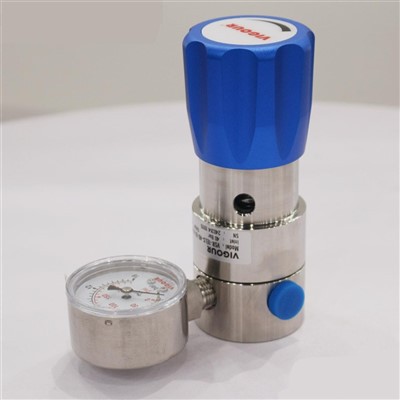
What are the special considerations for using a gas psi gauge in a marine environment?
As a gas psi gauge supplier, I've witnessed firsthand the unique challenges that the marine environment presents when it comes to using these essential tools. The marine setting is far from ordinary, and it demands specific considerations to ensure the accurate and reliable operation of gas psi gauges. In this blog post, I'll delve into the key factors that need to be taken into account when using gas psi gauges in a marine environment.
Corrosion Resistance
One of the most significant challenges in a marine environment is corrosion. Saltwater is highly corrosive, and it can quickly damage metal components, including gas psi gauges. When exposed to saltwater spray, humidity, and the constant presence of salt in the air, gauges are at risk of rusting and deteriorating. This not only affects the appearance of the gauge but can also lead to inaccurate readings and even complete failure.
To combat corrosion, it's crucial to choose gas psi gauges that are made from corrosion-resistant materials. Stainless steel is a popular choice due to its excellent resistance to rust and corrosion. Additionally, some gauges are coated with special protective finishes that provide an extra layer of defense against the harsh marine environment. For example, a gauge with a powder-coated finish can help prevent saltwater from coming into direct contact with the metal surface, reducing the risk of corrosion.
Pressure Fluctuations
The marine environment is dynamic, and pressure fluctuations are common. Waves, tides, and changes in weather conditions can all cause rapid changes in pressure. Gas psi gauges need to be able to withstand these fluctuations and provide accurate readings under varying pressure conditions.
When selecting a gas psi gauge for a marine application, it's important to choose one with a wide pressure range and a high overpressure tolerance. A gauge with a larger pressure range can handle sudden spikes in pressure without being damaged. Additionally, a gauge with a high overpressure tolerance can withstand brief periods of excessive pressure without losing its accuracy. For instance, a gauge that can handle up to 150% of its rated pressure can provide an extra margin of safety in a marine environment where pressure fluctuations are inevitable.
Temperature Variations
Temperature variations are another factor to consider in a marine environment. The temperature can vary significantly between day and night, as well as between different seasons. Extreme temperatures can affect the performance of gas psi gauges, causing them to give inaccurate readings.
Gas psi gauges are typically designed to operate within a specific temperature range. When using a gauge in a marine environment, it's important to ensure that the temperature range of the gauge is suitable for the expected conditions. For example, if the gauge will be used in a tropical climate where temperatures can reach high levels, it's important to choose a gauge that can operate at elevated temperatures without being affected. Similarly, in colder climates, a gauge with a low-temperature rating may be required to ensure accurate readings.
Some gas psi gauges are equipped with temperature compensation features. These features help to maintain the accuracy of the gauge over a wider temperature range by adjusting the readings based on the ambient temperature. This can be particularly useful in a marine environment where temperature variations are common.


Vibration and Shock
Marine vessels are subject to constant vibration and shock due to the movement of the waves and the operation of the engines. These vibrations and shocks can have a negative impact on the performance of gas psi gauges. They can cause the internal components of the gauge to become loose or damaged, leading to inaccurate readings or even complete failure.
To ensure the reliability of gas psi gauges in a marine environment, it's important to choose gauges that are designed to withstand vibration and shock. A gauge with a robust construction and a well-designed internal mechanism is less likely to be affected by vibrations and shocks. Additionally, some gauges are equipped with shock-absorbing features, such as rubber gaskets or dampers, which can help to reduce the impact of vibrations and shocks on the gauge.
Compatibility with Marine Gases
In a marine environment, gas psi gauges are often used to measure the pressure of various gases, such as oxygen, nitrogen, and carbon dioxide. It's important to ensure that the gauge is compatible with the specific gas being measured. Different gases have different properties, and some gases can react with certain materials used in the construction of the gauge.
For example, oxygen is a highly reactive gas, and it can cause oxidation of some metals. When using a gas psi gauge to measure the pressure of oxygen, it's important to choose a gauge that is specifically designed for oxygen service. A gauge that has been cleaned and prepared for oxygen service will have a lower risk of reacting with the oxygen and causing a safety hazard.
Maintenance and Calibration
Regular maintenance and calibration are essential for ensuring the accuracy and reliability of gas psi gauges in a marine environment. Saltwater, dirt, and debris can accumulate on the gauge over time, affecting its performance. Additionally, the internal components of the gauge can wear out or become damaged, leading to inaccurate readings.
It's important to follow the manufacturer's recommended maintenance schedule for the gas psi gauge. This may include cleaning the gauge regularly, checking for any signs of damage or wear, and replacing any worn or damaged parts. Calibration is also crucial to ensure that the gauge is providing accurate readings. A gauge should be calibrated at regular intervals, preferably by a qualified technician using a calibrated reference standard.
Additional Accessories
In addition to the gas psi gauge itself, there are several accessories that can be used to enhance its performance in a marine environment. For example, a High Purity Gas Filter can help remove contaminants from the gas before it enters the gauge, reducing the risk of damage to the internal components. A Gas High Pressure Hoses can provide a secure and reliable connection between the gauge and the gas source, preventing leaks and ensuring accurate pressure measurement. And a Co2 Gas Heater can be used to maintain a stable temperature of the gas, especially in cold weather conditions.
Conclusion
Using a gas psi gauge in a marine environment requires careful consideration of several factors. Corrosion resistance, pressure fluctuations, temperature variations, vibration and shock, compatibility with marine gases, and maintenance and calibration are all important aspects to keep in mind. By choosing the right gas psi gauge and taking the necessary precautions, you can ensure accurate and reliable pressure measurement in a marine environment.
If you're in the market for a gas psi gauge for a marine application, I encourage you to contact us to discuss your specific needs. Our team of experts can help you select the right gauge and provide you with all the information you need to ensure its proper installation and operation. We're committed to providing high-quality products and excellent customer service, and we look forward to working with you to meet your gas measurement needs in the marine environment.
References
- ASME B40.100 - Pressure Gauges and Gauge Attachments
- ISO 5167 - Measurement of fluid flow by means of pressure differential devices inserted in circular cross-section conduits running full
- Marine Engineering Handbook, various editions