


Hey there! As a supplier of Pressure Regulator Gas Sticks, I often get asked about the compatibility requirements for using these nifty devices with gas containers. So, let's dig right in and break it down.
First off, we gotta understand what a Pressure Regulator Gas Stick does. It's a crucial component in managing the flow and pressure of gas from a container. Whether it's for industrial use, home applications, or something in between, getting the compatibility right is super important.
Gas Type Compatibility
One of the most fundamental aspects of compatibility is the type of gas. Different gases have different properties, and a Pressure Regulator Gas Stick needs to be designed to handle them safely and effectively. For instance, some gases are highly corrosive. Using a regulator not designed for such gases can lead to rapid wear and tear, and in extreme cases, it can even be dangerous.
If you're dealing with a Cylinder Gas Pressure Regulator, it's essential to ensure that it's rated for the specific gas you'll be using. For example, natural gas and propane have different combustion characteristics, and using a regulator meant for one with the other can result in improper gas flow and potential ignition issues.
In the food industry, where the quality and safety of the product are paramount, Food Industrial Use Gas Pressure Regulator are used. These regulators are designed to meet strict hygiene and safety standards. The gas used in food processing, like carbon dioxide or nitrogen, has to be regulated accurately to maintain the quality of the food product. A Pressure Regulator Gas Stick for food industrial use must be made of materials that are food - grade and do not contaminate the gas.
Pressure Ratings
Pressure ratings are another key factor in compatibility. Gas containers come with different pressure levels, and the Pressure Regulator Gas Stick needs to be able to handle the incoming pressure and reduce it to a safe and usable level.
When looking at a Pressure Regulator Gas Stick, check its inlet and outlet pressure ratings. The inlet pressure rating should be equal to or higher than the maximum pressure of the gas container. If the inlet pressure is too high for the regulator, it can cause the regulator to malfunction, leading to an over - pressurization of the system.
On the other hand, the outlet pressure rating should match the requirements of the equipment that will be using the gas. For example, if you're using a gas stove, the regulator needs to supply gas at the correct pressure for the stove to function properly. If the outlet pressure is too low, the flame may be weak and inconsistent, and if it's too high, it can be a fire hazard.
Connector Compatibility
The connection between the Pressure Regulator Gas Stick and the gas container is also crucial. There are different types of connectors used for gas containers, such as threaded connectors and bayonet connectors.
You need to make sure that the Pressure Regulator Gas Stick has the right type of connector that matches the gas container. Using an incompatible connector can lead to gas leaks, which are not only wasteful but also extremely dangerous. A gas leak can cause explosions or asphyxiation, so double - checking the connector type is a must.
Temperature and Environmental Compatibility
The operating temperature and the environment where the Pressure Regulator Gas Stick will be used also play a role in compatibility. Some regulators are designed to work in a wide range of temperatures, while others are more specialized.
In cold environments, for example, the performance of the regulator may be affected if it's not designed to withstand low temperatures. The material of the regulator can become brittle, and the internal components may not function correctly. Similarly, in hot and humid environments, corrosion and moisture can be a problem for regulators that are not designed to handle such conditions.
Compliance with Standards
It's always a good idea to ensure that the Pressure Regulator Gas Stick complies with relevant industry standards. Standards are put in place to ensure the safety and performance of these devices.
Compliance with standards like ISO or local safety regulations gives you an added layer of confidence that the regulator will work as intended and keep you safe. When you're purchasing a Pressure Regulator Gas Stick from us, we make sure that all our products meet or exceed the necessary standards.
Long - term Considerations
Beyond the immediate compatibility requirements, it's also important to think about the long - term use of the Pressure Regulator Gas Stick. Maintenance requirements can vary depending on the design and the type of gas being used.
Some regulators may require periodic cleaning or replacement of parts to maintain their efficiency. Make sure to follow the manufacturer's maintenance guidelines to ensure the longevity of your regulator.
To sum it up, when using a Pressure Regulator Gas Stick with gas containers, you need to consider gas type, pressure ratings, connector type, temperature and environmental conditions, and compliance with standards. By taking these factors into account, you can ensure a safe and efficient operation of your gas system.
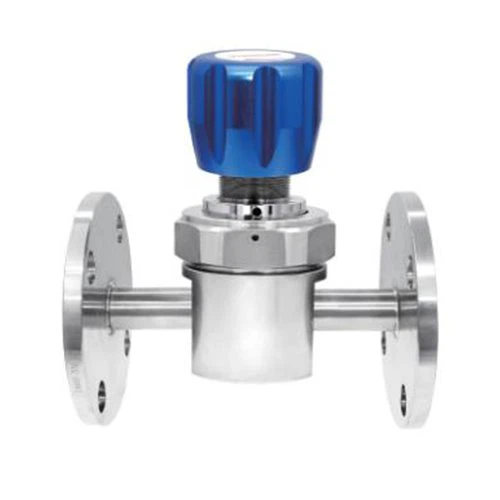

If you're in the market for a high - quality Pressure Regulator Gas Stick, we've got you covered. Our products are designed with all these compatibility requirements in mind, so you can be confident in their performance. Whether you need a regulator for a small - scale home application or a large - scale industrial setup, we have the right solution for you. Don't hesitate to reach out to us for more information or to start a procurement discussion. We're here to help you find the perfect Pressure Regulator Gas Stick for your needs.
References
- Industry standards and guidelines on gas pressure regulation
- Manufacturer's specifications of Pressure Regulator Gas Sticks and gas containers
- Research on the properties of different gases and their impact on regulator performance


