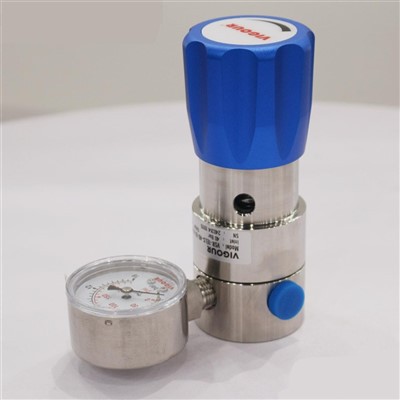
Troubleshooting problems with cylinder connectors can be a real headache, but worry not! As a supplier of Cylinder Connectors, I've seen it all and got some tips and tricks up my sleeve to help you out.
Let's start with the basics. First of all, what exactly are cylinder connectors? These are essential components used to connect gas cylinders to different devices like regulators, valves, or other equipment. There are different types out there, like Quick Release Gas Connectors, which are super convenient for fast and easy connections, and tube fitting adaptors, like the Tube Fitting Adaptor, that help in joining tubes of different sizes or types.
One of the most common issues you might run into is a leak. A gas leak from a cylinder connector isn't just a waste of gas; it can also be pretty dangerous. So, how do you spot a leak? Well, the easiest way is by doing a soapy water test. Just mix some dish soap with water in a spray bottle, then spray the soapy solution around the connector area. If you see bubbles forming, that's a clear sign of a leak.
When you find a leak, the first thing to do is to check if the connector is properly tightened. Sometimes, the connection might have come loose during normal use or due to vibrations. Use the right tools to snug it up gently. Over-tightening can damage the connector, so be careful. If tightening doesn't work, there might be a problem with the sealing. The O - rings or gaskets inside the connector could be worn out or damaged. In such cases, you'll need to replace them.
Another problem is a blockage. A blocked cylinder connector can prevent the proper flow of gas. This could be caused by debris, dirt, or even corrosion. If you suspect a blockage, the first step is to turn off the gas supply and disconnect the cylinder. Then, visually inspect the connector. You might see some obvious signs of debris. You can try using compressed air to blow out the blockage. Just make sure you're using the right pressure. Too much pressure can damage the connector.
If the blockage is stubborn, you may need to disassemble the connector carefully. But before you do that, make sure you know how to put it back together again. Some connectors are more complex than others. After disassembling, clean each part thoroughly. You can use a mild solvent or a specialized cleaning solution, but make sure it's compatible with the connector material. Once cleaned, let the parts dry completely and then reassemble the connector.


Sometimes, the connector might not fit properly. This could be because of mismatched sizes or incorrect types. It's really important to double - check that you're using the right cylinder connector for your specific application. Different gases may require different connectors, and so do different equipment. Before making a purchase, consult the equipment's manual or talk to our customer service team. We're here to help you pick the perfect connector.
If you're using Quick Release Gas Connectors, you might face issues with the locking mechanism. If it doesn't lock or unlock smoothly, there could be a problem with the internal parts. Check for any signs of wear or damage. Lubricating the moving parts with a suitable lubricant can sometimes solve the problem. But make sure the lubricant is safe to use with gas connectors.
When it comes to tube fitting adaptors, they can also cause problems. If the adaptor doesn't seal properly between two tubes, it could lead to leaks or poor gas flow. Make sure the tubes are clean and properly inserted into the adaptor. And just like with cylinder connectors, check the O - rings or gaskets for any damage or wear.
In some cases, the connector might be damaged due to physical impact. Maybe it was dropped or bumped during handling. If you notice any cracks, dents, or other visible signs of damage, it's best to replace the connector right away. Using a damaged connector is a safety hazard.
Now, let's talk about maintenance. Regular maintenance can prevent a lot of these problems from occurring in the first place. Inspect your cylinder connectors regularly for any signs of wear, damage, or corrosion. Keep them clean and dry. If you're storing the connectors for a long time, make sure they're in a suitable environment, away from moisture and extreme temperatures.
If you've tried all these troubleshooting steps and still can't solve the problem, don't hesitate to reach out to us. As your Cylinder Connectors supplier, we have a team of experts who can provide more in - depth advice and support. We can also offer you replacement parts if needed.
We understand that choosing the right cylinder connectors and keeping them in good working condition is crucial for your operations. That's why we offer a wide range of high - quality products, including Quick Release Gas Connectors and Tube Fitting Adaptor. Whether you're working in a small workshop or a large industrial facility, we have the right connectors for you.
If you're interested in our products or want to discuss your specific needs, we're just a step away. Get in touch with us to start a purchase negotiation. We're committed to providing you with the best solutions and excellent customer service.
References
- General knowledge of gas connector technologies and maintenance procedures.
- Experiences gained from dealing with various cylinder connector problems as a supplier.