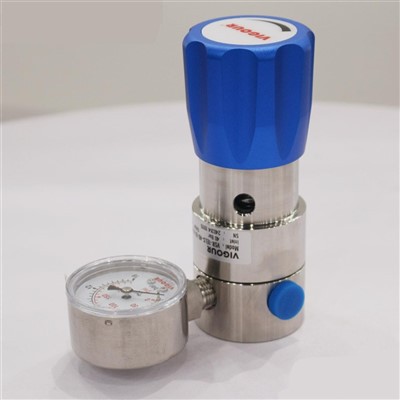
Hey there! As a supplier of Gas Flashback Arrestors, I know how crucial it is to ensure these devices work properly. Gas flashback arrestors are essential safety components in gas systems, preventing dangerous flashbacks that can lead to explosions and fires. In this blog, I'll share with you how to test gas flashback arrestors effectively.
Why Testing Gas Flashback Arrestors is Important
Before we dive into the testing process, let's talk about why it's so important to test these devices regularly. Gas flashback arrestors are designed to stop the reverse flow of flame in a gas line. Over time, they can become clogged, damaged, or lose their effectiveness due to wear and tear. If a flashback arrestor fails to work when needed, it can put lives and property at risk. That's why regular testing is a must to ensure they are in good working condition.
Pre - Test Preparations
First things first, you need to gather the necessary tools and equipment. You'll typically need a pressure gauge to measure the gas pressure, a flow meter to check the gas flow rate, and a gas detector to ensure there are no gas leaks. Make sure all your tools are calibrated and in good working order before you start the test.
It's also important to follow safety procedures. Wear appropriate personal protective equipment (PPE), such as safety glasses, gloves, and a fire - resistant apron. Work in a well - ventilated area to avoid the accumulation of gas fumes. And of course, make sure the gas supply is turned off before you start any work on the flashback arrestor.
Visual Inspection
The first step in testing a gas flashback arrestor is a visual inspection. Look for any signs of physical damage, such as cracks, dents, or corrosion on the body of the arrestor. Check the connections to make sure they are tight and free of leaks. Also, inspect the filter element inside the arrestor. If it's dirty or clogged, it may need to be cleaned or replaced.
Pressure Testing
Once you've completed the visual inspection, it's time to move on to pressure testing. Connect your pressure gauge to the gas line upstream of the flashback arrestor. Slowly turn on the gas supply and monitor the pressure reading. The pressure should increase steadily and reach the normal operating pressure for your gas system.
Next, check the pressure drop across the flashback arrestor. Connect another pressure gauge downstream of the arrestor. Compare the pressure readings upstream and downstream. A significant pressure drop may indicate a problem with the arrestor, such as a clogged filter or a malfunctioning valve.
Flow Testing
Flow testing is another important part of the testing process. Use a flow meter to measure the gas flow rate through the flashback arrestor. The flow rate should be within the specified range for the arrestor. If the flow rate is too low, it could mean the arrestor is clogged. If it's too high, there may be a problem with the valve or the internal components of the arrestor.
Flame Test
The flame test is the most critical test for a gas flashback arrestor. However, this test should only be performed by trained professionals in a controlled environment. To conduct a flame test, you'll need a special test rig that can simulate a flashback situation.
The test rig will introduce a small flame into the gas line upstream of the arrestor. The arrestor should stop the flame from traveling back through the line. If the flame passes through the arrestor, it means the device has failed and needs to be replaced immediately.
Additional Considerations
In addition to the basic tests, there are a few other things to keep in mind. If you're using a Gas Alarm System, make sure it's functioning properly. You can find more information about Gas Alarm System on our website. A working gas alarm can provide an extra layer of safety by alerting you to any gas leaks.
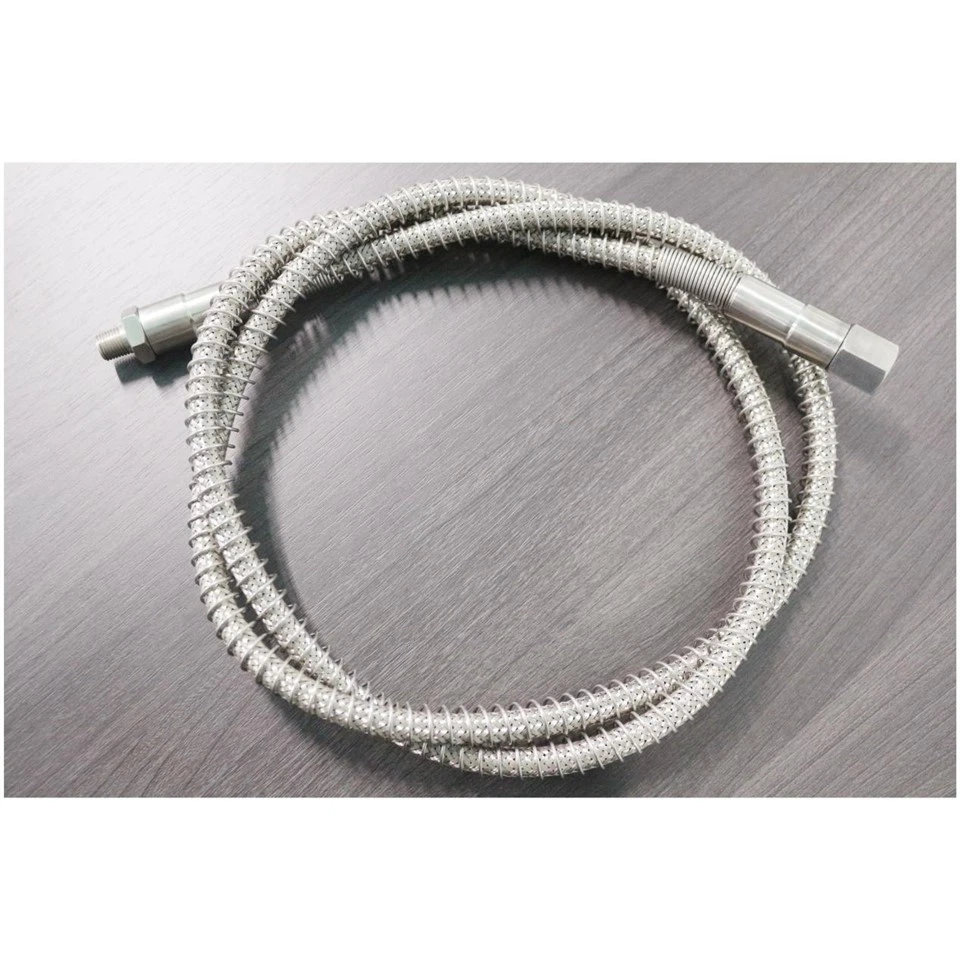
Also, pay attention to the Gas High Pressure Hoses and Gas Pressure Transmitter in your gas system. These components can affect the performance of the flashback arrestor. You can learn more about Gas High Pressure Hoses and Gas Pressure Transmitter on our site.
Regular Maintenance and Testing Schedule
To ensure the long - term reliability of your gas flashback arrestors, it's important to establish a regular maintenance and testing schedule. Depending on the usage and the environment, you may need to test your arrestors monthly, quarterly, or annually. Make sure to keep detailed records of all your tests and maintenance activities.
Conclusion
Testing gas flashback arrestors is a crucial part of maintaining a safe gas system. By following the steps outlined in this blog, you can ensure that your arrestors are working properly and providing the protection you need.

If you're in the market for high - quality gas flashback arrestors or need more information about our testing services, we'd love to hear from you. Contact us to start a conversation about your specific needs and how we can help you keep your gas system safe.
References
- Industry standards for gas safety equipment
- Manufacturer's guidelines for gas flashback arrestors