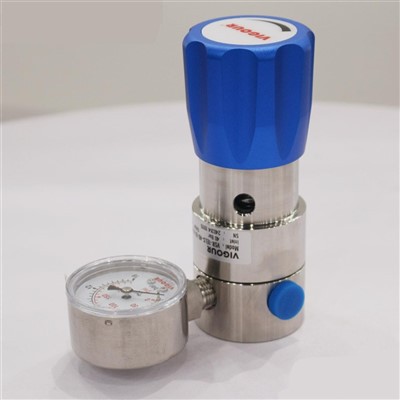
How to Operate a Manual High Purity Gas Regulator?
As a leading supplier of High Purity Gas Regulators, I understand the importance of proper operation to ensure both safety and efficiency. In this blog, I'll guide you through the step - by - step process of operating a manual high purity gas regulator.
1. Pre - operation Inspection
Before you start using the high purity gas regulator, a thorough pre - operation inspection is crucial. First, check the physical condition of the regulator. Look for any visible signs of damage such as cracks, dents, or corrosion on the body of the regulator. A damaged regulator can lead to gas leaks, which are not only wasteful but also pose a significant safety hazard.
Next, examine the connections. Ensure that all the fittings are clean and free from debris. Any dirt or particles in the connections can prevent a proper seal, resulting in gas leakage. Check the O - rings as well. These small rubber rings play a vital role in creating a tight seal between different parts of the regulator. If an O - ring is worn out or damaged, it should be replaced immediately.
Verify the pressure gauges. Make sure that the gauges are functioning correctly and show zero pressure when the regulator is not in use. If the gauges are not calibrated properly or show abnormal readings, it may indicate a problem with the regulator.
2. Installation
Once the pre - operation inspection is complete, it's time to install the high purity gas regulator. First, select a suitable location for installation. The area should be well - ventilated to prevent the accumulation of gas in case of a leak. It should also be away from sources of heat, sparks, or open flames.
Connect the regulator to the gas cylinder. Use the appropriate wrench to tighten the connection, but be careful not to over - tighten as this can damage the fittings. When connecting the regulator to the downstream equipment, such as a gas line or a gas - powered device, ensure that the connection is secure. You may need to use a sealant or Teflon tape on the threads to ensure a leak - free connection.
3. Opening the Gas Cylinder
After the regulator is properly installed, it's time to open the gas cylinder. First, make sure that the regulator's adjustment knob is turned all the way counter - clockwise to set the outlet pressure to its lowest setting. This is an important safety step to prevent a sudden surge of high - pressure gas when the cylinder is opened.
Slowly open the valve on the gas cylinder. As you open the valve, you should see the inlet pressure gauge on the regulator start to rise. Observe the gauge carefully to ensure that the pressure is within the normal range for the gas in the cylinder. If the pressure reading is abnormal, close the cylinder valve immediately and check for any problems with the regulator or the cylinder.
4. Adjusting the Outlet Pressure
Once the gas cylinder is open and the inlet pressure is stable, you can start adjusting the outlet pressure. Slowly turn the adjustment knob on the regulator clockwise. As you turn the knob, you should see the outlet pressure gauge start to rise. Adjust the knob gradually until the desired outlet pressure is reached.
It's important to make small adjustments and allow the pressure to stabilize between each adjustment. This is because the regulator may take some time to respond to the changes in the adjustment. If you make large adjustments too quickly, you may overshoot the desired pressure, which can be dangerous and may damage the downstream equipment.
5. Monitoring the Operation
During the operation of the high purity gas regulator, continuous monitoring is essential. Keep an eye on both the inlet and outlet pressure gauges. Any sudden changes in the pressure readings may indicate a problem with the regulator, the gas cylinder, or the downstream equipment.
Check for any signs of gas leakage. You can use a leak detector solution to check the connections for leaks. Apply the solution to the connections, and if there are any leaks, you will see bubbles forming. If you detect a leak, close the gas cylinder valve immediately and fix the problem before continuing the operation.
Also, monitor the temperature of the regulator. An unusually high temperature may indicate a problem with the regulator, such as excessive friction or a malfunctioning valve.
6. Shutting Down the Operation
When you are finished using the high purity gas regulator, it's important to shut it down properly. First, turn the adjustment knob on the regulator all the way counter - clockwise to set the outlet pressure to its lowest setting. Then, close the valve on the gas cylinder.
As you close the cylinder valve, you should see the inlet pressure gauge start to drop. Wait for the pressure to drop to zero before disconnecting the regulator from the cylinder. This is to ensure that there is no residual pressure in the regulator, which can be dangerous when disconnecting the fittings.


Related Products
If you are interested in other types of gas regulators, we also offer Medical Gas Pressure Regulator, which is specifically designed for medical applications. Our Pressure Regulator Extension can be used to extend the reach of your pressure regulator, providing more flexibility in your gas system setup. And for applications that require high - input and high - output pressures, our High in High Out Gas Pressure Regulator is an excellent choice.
Contact Us for Purchase
If you have any questions about operating high purity gas regulators or are interested in purchasing our products, we are here to help. Our team of experts can provide you with detailed information and support to ensure that you choose the right regulator for your needs. Don't hesitate to reach out to us for more information and to start a procurement negotiation.
References
- "Gas Regulator Handbook" - A comprehensive guide on gas regulator operation and maintenance.
- Industry standards and guidelines for high purity gas regulators.