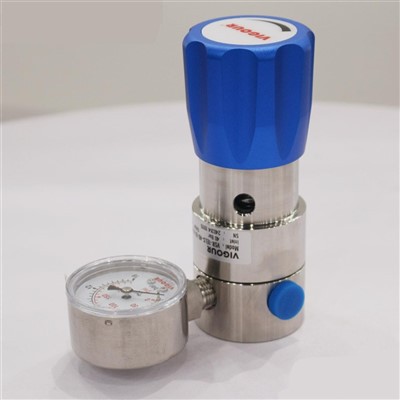
As a seasoned supplier of Pressure Control Panels, I've witnessed firsthand the critical role these systems play in various industrial applications. Ensuring the longevity of pressure control panels is not only cost - effective but also crucial for maintaining operational efficiency and safety. In this blog, I'll share some practical strategies to extend the lifespan of these essential components.
Regular Maintenance and Inspections
One of the most fundamental steps in extending the lifespan of pressure control panels is regular maintenance and inspections. These panels are often exposed to harsh environmental conditions, electrical stresses, and mechanical vibrations, which can gradually degrade their components.
Scheduled inspections should be carried out at least quarterly, although in high - stress environments, monthly checks may be necessary. During these inspections, it's essential to examine all visible components for signs of wear, corrosion, or damage. Look for loose connections, frayed wires, and overheating components. Tightening loose connections can prevent electrical arcing, which can cause significant damage over time.
Cleaning the panels is also a vital part of maintenance. Dust, dirt, and debris can accumulate on the components, leading to overheating and short - circuits. Use a soft, dry brush or compressed air to remove any build - up. For more stubborn dirt, a mild cleaning solution can be used, but make sure to follow the manufacturer's guidelines to avoid damaging sensitive components.
Environmental Management
The environment in which pressure control panels operate has a significant impact on their lifespan. Extreme temperatures, humidity, and dust can all accelerate component degradation.
Temperature Control: Pressure control panels should be installed in areas with stable temperatures. High temperatures can cause components to expand and contract, leading to mechanical stress and eventual failure. Consider installing cooling systems such as air conditioners or fans in the panel room if the ambient temperature is consistently high. On the other hand, extremely low temperatures can also affect the performance of electronic components, so proper insulation may be required in cold environments.
Humidity Management: High humidity can lead to corrosion of metal components and electrical shorts. Use dehumidifiers in areas with high humidity levels to maintain a relative humidity between 30% and 60%. Additionally, ensure that the panels are properly sealed to prevent moisture ingress.
Dust and Contaminant Prevention: Dust and other contaminants can clog ventilation systems and cause overheating. Install air filters in the panel room to reduce the amount of dust entering the panels. In industrial environments where there are high levels of contaminants, consider using enclosures with positive pressure ventilation to keep out dust and debris.
Component Upgrades and Replacements
Over time, certain components in pressure control panels may become obsolete or wear out. Upgrading these components can not only extend the lifespan of the panel but also improve its performance.
Electrical Components: Fuses, relays, and circuit breakers are critical components that may need to be replaced periodically. These components can degrade over time due to electrical stress and normal wear and tear. When replacing these components, make sure to use high - quality parts that are compatible with the panel's specifications.
Sensors and Transducers: Sensors and transducers are used to monitor pressure and other parameters. Over time, their accuracy may decline, leading to inaccurate readings and potential system malfunctions. Regularly calibrate these sensors and replace them when necessary.
Software Updates: Many modern pressure control panels are equipped with software that controls their operation. Software updates can fix bugs, improve performance, and add new features. Make sure to stay up - to - date with the latest software releases from the manufacturer and install them as recommended.
Proper Installation and Wiring
The way pressure control panels are installed and wired can have a long - term impact on their lifespan.
Installation Location: Choose an installation location that is away from sources of mechanical vibration, electrical interference, and physical damage. The panel should be mounted on a stable surface and properly grounded to prevent electrical shocks and interference.


Wiring Practices: Use high - quality wiring that is rated for the electrical load and environmental conditions. Avoid overcrowding wires in the panel, as this can lead to overheating and short - circuits. Properly label all wires to make troubleshooting easier and ensure that connections are tight and secure.
Training and Operator Awareness
Operators play a crucial role in the lifespan of pressure control panels. Proper training can help them understand how to operate the panels correctly and identify potential problems early.
Training Programs: Provide comprehensive training programs for operators on the operation, maintenance, and safety procedures of pressure control panels. This training should cover topics such as normal operating parameters, emergency shutdown procedures, and basic troubleshooting techniques.
Operator Awareness: Encourage operators to be vigilant and report any unusual noises, smells, or performance issues immediately. Early detection of problems can prevent minor issues from turning into major failures.
Utilize Advanced Technologies
In today's technological era, there are several advanced technologies that can help extend the lifespan of pressure control panels.
Remote Monitoring: Implement a remote monitoring system that allows you to monitor the performance of the pressure control panels in real - time. This system can detect anomalies such as abnormal temperature, voltage, or pressure readings and send alerts to maintenance personnel. Remote monitoring enables proactive maintenance, reducing the risk of unexpected failures.
Predictive Maintenance: Use predictive maintenance techniques such as vibration analysis, thermal imaging, and oil analysis to predict when components are likely to fail. By analyzing data over time, you can identify trends and patterns that indicate potential problems. This allows you to schedule maintenance and component replacements before a failure occurs, minimizing downtime and extending the lifespan of the panels.
The Role of Automatic Change Over System
An Automatic Change Over System can significantly enhance the reliability and lifespan of pressure control panels. This system automatically switches between different power sources or control modes in case of a failure or abnormal condition.
For example, if one pressure sensor fails, the automatic change - over system can switch to a backup sensor, ensuring continuous operation of the panel. This reduces the stress on individual components and prevents system failures. Additionally, the system can help balance the load between different components, extending their overall lifespan.
Conclusion
Extending the lifespan of pressure control panels requires a comprehensive approach that includes regular maintenance, environmental management, component upgrades, proper installation, operator training, and the use of advanced technologies. By implementing these strategies, you can ensure that your pressure control panels operate efficiently and reliably for many years.
If you're interested in learning more about our Pressure Control Panels or need assistance with extending the lifespan of your existing panels, please feel free to contact us for a procurement discussion. We're here to provide you with the best solutions for your industrial needs.
References
- Electrical Equipment Maintenance Handbook
- Industrial Control Systems: Design and Operation Guide
- Pressure Control Panel Manufacturer's Manuals