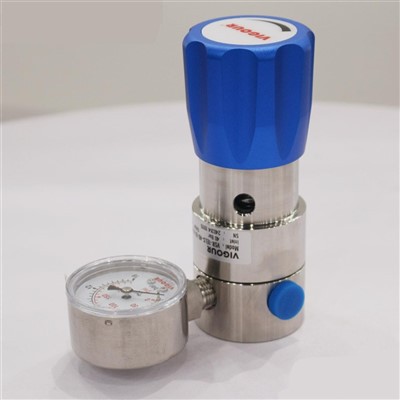
As a supplier of Back Gas Pressure Regulators, I understand the importance of proper maintenance to ensure the optimal performance and longevity of these critical components. A well - maintained back gas pressure regulator not only guarantees the safety of your gas system but also enhances its efficiency. In this blog, I'll walk you through the step - by - step process of cleaning a back gas pressure regulator.
Why Cleaning is Necessary
Over time, back gas pressure regulators can accumulate dirt, debris, and contaminants from the gas flow. These impurities can clog the internal passages, affect the accuracy of pressure regulation, and even cause mechanical failures. Regular cleaning can prevent these issues, ensuring that the regulator functions as intended.
Pre - cleaning Preparations
Before you start cleaning, it's crucial to take some safety precautions. First, turn off the gas supply to the regulator. This is a non - negotiable step to avoid any potential gas leaks or explosions during the cleaning process. Also, make sure to relieve the pressure in the regulator by opening any downstream valves.
You'll need a few tools for the cleaning process. A set of wrenches is essential for removing the regulator from the gas line. You'll also need a clean, lint - free cloth, a mild detergent or specialized regulator cleaning solution, and a soft - bristle brush for scrubbing hard - to - reach areas.
Disassembly of the Back Gas Pressure Regulator
Using the appropriate wrenches, carefully remove the regulator from the gas line. Take note of the orientation and the position of all the components as you disassemble them. This will make reassembly much easier. Place the removed parts on a clean, flat surface.
Cleaning the External Parts
Start by wiping down the external surface of the regulator with a dry, lint - free cloth to remove any loose dirt or dust. Then, dampen the cloth with a mild detergent solution and gently clean the exterior. Avoid getting water or cleaning solution into the regulator's openings at this stage.
Cleaning the Internal Components
For the internal parts, you can soak them in a container filled with the cleaning solution. Make sure all the parts are fully submerged. Let them soak for about 15 - 20 minutes. This will help loosen any stubborn dirt and contaminants.
After soaking, use a soft - bristle brush to gently scrub the internal components. Pay special attention to the valve seat, diaphragm, and any small orifices. These areas are particularly prone to clogging. Be careful not to use too much force, as you don't want to damage the delicate parts.
Rinse the components thoroughly with clean water to remove all traces of the cleaning solution. Make sure no detergent residue remains, as it could cause corrosion or affect the performance of the regulator.
Drying the Components
Once the parts are clean, place them on a dry, clean cloth to air - dry. Avoid using compressed air to dry the parts, as it could blow dirt back into the components. Ensure that all parts are completely dry before reassembly.
Reassembly of the Back Gas Pressure Regulator
Carefully reassemble the regulator, following the reverse order of disassembly. Make sure all parts are properly seated and tightened. Use the wrenches to secure the regulator back onto the gas line.
Testing the Regulator
After reassembly, turn on the gas supply slowly. Check for any gas leaks around the connections using a leak - detection solution. If you notice any bubbles forming, there is a leak, and you need to tighten the connections further.
Monitor the pressure readings to ensure that the regulator is functioning correctly. Compare the readings with the manufacturer's specifications. If the pressure is not within the acceptable range, there may be an issue with the cleaning or reassembly, and you may need to repeat the process or seek professional help.


Different Types of Back Gas Pressure Regulators and Their Cleaning Considerations
It's important to note that different types of back gas pressure regulators may have specific cleaning requirements. For example, a Brass Gas Pressure Regulator may require a different cleaning approach due to the nature of the brass material. Brass is prone to oxidation, so you may need to use a cleaning solution that is specifically formulated for brass to prevent discoloration and corrosion.
A Line Pressure Regulator often has a more complex internal structure, with multiple valves and chambers. When cleaning a line pressure regulator, you need to be extra careful when disassembling and cleaning these internal parts to avoid misalignment or damage.
A Dual Stage Gas Pressure Regulator provides more precise pressure control. Cleaning this type of regulator requires a high level of attention to detail, as any malfunction in either stage can affect the overall performance.
Frequency of Cleaning
The frequency of cleaning your back gas pressure regulator depends on several factors, such as the quality of the gas supply, the operating environment, and the usage frequency. In general, it's recommended to clean the regulator at least once a year. However, if you notice any signs of reduced performance, such as inconsistent pressure readings or unusual noises, you should clean the regulator immediately.
Conclusion
Cleaning a back gas pressure regulator is a relatively straightforward process if you follow the proper steps. Regular cleaning can extend the lifespan of your regulator, improve its performance, and most importantly, ensure the safety of your gas system.
As a professional supplier of back gas pressure regulators, we are committed to providing high - quality products and useful information to our customers. If you have any questions about cleaning your regulator or are interested in purchasing a new one, we encourage you to contact us for further discussions and potential procurement. Our team of experts is always ready to assist you in finding the best solution for your gas pressure regulation needs.
References
- Gas Pressure Regulator Manufacturer's Manuals
- Industry Standards for Gas System Maintenance