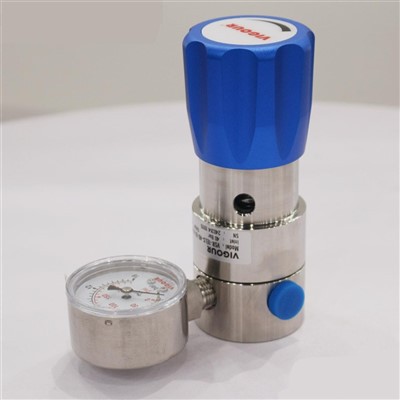
Hey there! As a supplier of Gas Pressure Transmitters, I've been getting a lot of questions lately about how humidity affects these nifty devices. So, I thought I'd sit down and write a blog post to share what I've learned over the years in the business.
First off, let's talk a bit about what a gas pressure transmitter does. In simple terms, it's a device that measures the pressure of a gas and converts that measurement into an electrical signal. This signal can then be used to monitor and control various processes in industries like manufacturing, oil and gas, and even in some home appliances. The link Gas Pressure Transmitter has more details about the specific products we offer.
Now, humidity is the amount of water vapor present in the air. It can vary greatly depending on the location, weather conditions, and time of day. You might be wondering, "Why does humidity matter when it comes to gas pressure transmitters?" Well, humidity can have a significant impact on the performance and accuracy of these devices, and here's how.
Corrosion
One of the most common issues caused by high humidity is corrosion. When there's a lot of water vapor in the air, it can condense on the surfaces of the pressure transmitter. This condensed water can react with the metal components of the transmitter, leading to rust and corrosion. Over time, this corrosion can damage the internal parts of the transmitter, such as the pressure sensor and the electrical connections. As a result, the accuracy of the pressure measurements can be affected, and the transmitter may even fail completely.
To combat this problem, we recommend using high - quality materials in the construction of our gas pressure transmitters. For example, some of our transmitters are made with stainless steel or other corrosion - resistant materials. Additionally, you can use accessories like the High Purity Gas Filter to remove any moisture and impurities from the gas before it reaches the transmitter. This helps to extend the lifespan of the transmitter and maintain its accuracy.
Electrical Issues
Humidity can also cause electrical problems in gas pressure transmitters. Water is a conductor of electricity, and when it gets into the electrical components of the transmitter, it can cause short circuits or other electrical malfunctions. This can lead to inaccurate readings or even damage to the transmitter.
To prevent electrical issues, our transmitters are designed with proper insulation and sealing. We make sure that the electrical connections are protected from moisture. However, in extremely humid environments, it might be necessary to use additional protective measures. For instance, you can install the transmitter in a sealed enclosure or use a Co2 Gas Heater to keep the area around the transmitter dry. The heater can help to evaporate any moisture that might accumulate, reducing the risk of electrical problems.
Sensor Performance
The pressure sensor is the heart of a gas pressure transmitter. It's responsible for detecting the pressure of the gas and converting it into an electrical signal. High humidity can affect the performance of the sensor in several ways.
Firstly, moisture can change the physical properties of the sensor. For example, it can cause the sensor to expand or contract, which can lead to changes in its sensitivity. This means that the sensor may not accurately detect small changes in pressure, resulting in less precise measurements.
Secondly, humidity can also cause the formation of a thin layer of water on the surface of the sensor. This layer can interfere with the gas - sensor interaction, making it more difficult for the sensor to accurately measure the pressure of the gas.
To minimize the impact of humidity on the sensor, we use advanced sensor technologies in our gas pressure transmitters. These sensors are designed to be more resistant to environmental factors, including humidity. We also conduct rigorous testing to ensure that our sensors perform well in a wide range of humidity conditions.
Calibration
Humidity can also affect the calibration of gas pressure transmitters. Calibration is the process of adjusting the transmitter to ensure that its measurements are accurate. When the humidity changes, it can cause the transmitter to give inaccurate readings, even if it was properly calibrated before.
This means that in high - humidity environments, it may be necessary to calibrate the transmitter more frequently. Regular calibration helps to ensure that the transmitter is providing accurate and reliable pressure measurements. We offer calibration services for our gas pressure transmitters, and we can also provide guidance on how often calibration should be done based on the specific humidity conditions of your location.
Installation and Maintenance
Proper installation and maintenance are crucial when it comes to minimizing the impact of humidity on gas pressure transmitters. When installing the transmitter, make sure it's placed in a location where it's protected from direct exposure to moisture. Avoid installing it in areas where there's a lot of condensation, such as near cooling systems or in basements.
Regular maintenance is also important. Check the transmitter regularly for any signs of corrosion or damage. Clean the transmitter if necessary, and replace any worn - out parts. Following these maintenance procedures can help to keep your gas pressure transmitter in good working condition, even in high - humidity environments.
Conclusion
So, as you can see, humidity can have a significant impact on the performance and accuracy of gas pressure transmitters. But with the right precautions and the use of high - quality products, you can minimize these effects. At our company, we're committed to providing you with the best gas pressure transmitters and accessories to meet your needs. Whether you're dealing with high humidity or other challenging environmental conditions, we've got you covered.
If you're interested in learning more about our gas pressure transmitters or need help in choosing the right product for your application, don't hesitate to get in touch. We're always here to answer your questions and assist you with your purchasing decisions. Let's work together to ensure that your gas pressure measurement needs are met with the highest level of accuracy and reliability.


References
- Engineering textbooks on gas measurement and instrumentation
- Industry research papers on the effects of environmental factors on pressure sensors
- Manufacturer's manuals for gas pressure transmitters and related accessories