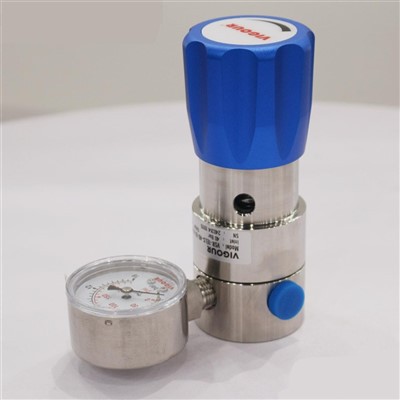
Hey there! As a supplier of line pressure regulators, I'm super stoked to take you on a journey through how these nifty devices work in a steam system. Steam systems are all around us, powering factories, heating buildings, and even making our morning coffee in some high - tech machines. And line pressure regulators play a crucial role in keeping everything running smoothly.
First off, let's talk about what a steam system is. In simple terms, it's a setup where water is heated to turn it into steam, and that steam is then used for various purposes. The steam is usually generated in a boiler at a high pressure. But here's the catch: different parts of the steam system need different levels of pressure to work effectively. That's where the line pressure regulator steps in.
A line pressure regulator is like the traffic cop of the steam system. It controls the flow and pressure of the steam as it moves through the pipes. The basic principle behind its operation is pretty cool. It uses a combination of mechanical and sometimes electronic components to sense the pressure of the steam and adjust the flow accordingly.
Let's break down the main components of a line pressure regulator. There's the inlet, where the high - pressure steam from the boiler enters the regulator. Then there's the valve, which is the key player in controlling the flow. The valve can open or close to either let more steam through or restrict its flow. And there's the outlet, where the steam exits the regulator at a regulated pressure.
One of the most important parts of the regulator is the sensing element. This can be a diaphragm or a piston. The sensing element is designed to respond to changes in pressure. When the pressure of the steam at the outlet starts to rise above the desired level, the sensing element gets pushed. This movement is then transferred to the valve mechanism.
The valve mechanism is connected to the sensing element. When the sensing element moves due to a pressure change, it causes the valve to close a little bit. This reduces the flow of steam through the regulator, which in turn brings the pressure back down to the set level. On the other hand, if the pressure at the outlet drops below the desired level, the sensing element moves in the opposite direction, causing the valve to open wider. This allows more steam to flow through, increasing the pressure.
Now, let's talk about the different types of line pressure regulators we offer. We have the Brass Gas Pressure Regulator. This one is made of brass, which is a durable and corrosion - resistant material. It's great for applications where you need a reliable regulator for gas or steam at moderate pressures. The brass construction also makes it relatively lightweight and easy to install.
Then there's the Back Gas Pressure Regulator. This type of regulator is used when you need to maintain a certain pressure in a system, even when there are fluctuations in the inlet pressure. It's often used in systems where you need to prevent backflow of gas or steam, hence the name. It works by adjusting the valve position to keep the outlet pressure stable, regardless of what's happening at the inlet.
And if you're dealing with high - pressure and high - flow applications, our High Pressure High Flow Regulator is the way to go. This regulator is designed to handle large volumes of steam at very high pressures. It has a robust construction and a precise valve mechanism that can handle the demands of high - pressure systems.
In a steam system, proper pressure regulation is super important. If the pressure is too high, it can cause damage to the pipes, valves, and other components of the system. It can also be dangerous, as high - pressure steam can cause leaks or even explosions. On the other hand, if the pressure is too low, the steam may not be able to do its job effectively. For example, in a heating system, low - pressure steam may not be able to heat the building properly.
Another factor to consider is the temperature of the steam. Steam can be at very high temperatures, and the regulator needs to be able to withstand these temperatures without losing its functionality. Our line pressure regulators are designed to handle a wide range of temperatures, ensuring that they work well in different steam system environments.
When installing a line pressure regulator in a steam system, there are a few things to keep in mind. First, make sure you choose the right size of the regulator. The size depends on the flow rate and pressure requirements of your system. If the regulator is too small, it won't be able to handle the flow of steam, and if it's too large, it may not regulate the pressure accurately.
Also, proper installation is crucial. The regulator should be installed in a location where it can easily sense the pressure at the outlet and where it has enough space for maintenance. It's also important to follow the manufacturer's instructions for installation, including any specific requirements for piping connections and orientation.


Maintenance is another key aspect. Regular maintenance ensures that the regulator continues to work properly. This includes checking the valve for any signs of wear or damage, cleaning the sensing element, and making sure all the connections are tight. We recommend having a maintenance schedule in place to keep your line pressure regulator in top shape.
So, if you're in the market for a reliable line pressure regulator for your steam system, we've got you covered. Our regulators are designed with high - quality materials and advanced technology to ensure accurate pressure regulation and long - term performance. Whether you need a Brass Gas Pressure Regulator, a Back Gas Pressure Regulator, or a High Pressure High Flow Regulator, we have the right product for you.
If you're interested in learning more about our products or have any questions about how they can fit into your steam system, don't hesitate to reach out. We're here to help you find the perfect solution for your pressure regulation needs. Contact us today to start a conversation about your requirements and let's work together to make your steam system run like a well - oiled machine.
References
- "Steam System Fundamentals" - A technical guide on steam systems and their components.
- "Pressure Regulation in Industrial Processes" - A research paper on the importance of pressure regulation in various industrial applications.