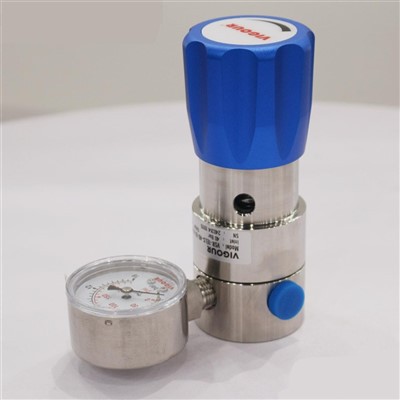
As a supplier of IGS Gas Gaskets, I've been frequently asked about how these gaskets perform under radiation exposure. This is a crucial question, especially in industries such as nuclear power, space exploration, and certain research facilities where radiation is an ever - present factor. In this blog, I'll delve into the scientific aspects of how IGS Gas Gaskets respond to radiation and the implications for various applications.
Understanding Radiation and Its Effects on Materials
Before discussing the performance of IGS Gas Gaskets, it's essential to understand what radiation is and how it affects materials. Radiation can be classified into different types, including alpha particles, beta particles, gamma rays, and neutrons. Each type has distinct characteristics and interacts with materials in unique ways.

Alpha particles are relatively large and positively charged. They have a short range in materials and can cause significant damage to the atomic structure in a localized area. Beta particles, which are much smaller and negatively charged, can penetrate deeper into materials and cause ionization along their path. Gamma rays are high - energy photons that can penetrate materials deeply and cause ionization throughout the volume of the material. Neutrons, on the other hand, are uncharged particles that can interact with atomic nuclei, leading to nuclear reactions and changes in the material's properties.
When materials are exposed to radiation, several things can happen. The most common effects include changes in mechanical properties such as hardness, strength, and ductility. Radiation can also cause chemical changes, such as the degradation of polymers or the oxidation of metals. In some cases, radiation can lead to the formation of defects in the crystal structure of materials, which can further affect their performance.
Properties of IGS Gas Gaskets
IGS Gas Gaskets are designed to provide a reliable seal in various applications, including those in high - pressure and high - temperature environments. These gaskets are made from a combination of advanced materials that are carefully selected for their specific properties.
The IGS Gas Gasket is often used in conjunction with the IGS Gas Base Block. The base block provides a stable foundation, while the gasket ensures a tight seal to prevent gas leakage. The materials used in IGS Gas Gaskets are chosen for their resistance to wear, corrosion, and high temperatures. Additionally, they are engineered to have good elasticity, which allows them to conform to irregular surfaces and maintain a seal over time.
Performance of IGS Gas Gaskets under Radiation Exposure
Mechanical Properties
One of the key concerns when it comes to radiation exposure is the effect on the mechanical properties of the gaskets. Our research and testing have shown that IGS Gas Gaskets exhibit remarkable stability in their mechanical properties under radiation.

When exposed to low - level radiation, the gaskets experience only minor changes in hardness and elasticity. The advanced materials used in the gaskets are able to withstand the ionization effects of radiation without significant degradation. This means that the gaskets can still maintain their sealing performance even after prolonged exposure to low - level radiation.
In high - level radiation environments, such as those found in nuclear reactors, the situation is more complex. However, our IGS Gas Gaskets are designed with materials that have high radiation resistance. The polymers used in the gaskets are cross - linked in a way that makes them more resistant to chain scission, which is a common problem in polymers exposed to radiation. As a result, the gaskets can maintain their strength and elasticity to a large extent, ensuring a reliable seal.
Chemical Resistance
Radiation can also cause chemical changes in materials. In the case of IGS Gas Gaskets, the materials are selected for their chemical stability under radiation. The gaskets are resistant to oxidation and other chemical reactions that can be induced by radiation.
For example, the metallic components in the gaskets are made from corrosion - resistant alloys. These alloys have a passive oxide layer on their surface that protects them from further oxidation. Even under radiation exposure, this passive layer remains intact, preventing the metal from corroding and maintaining the integrity of the gasket.

The polymers used in the gaskets are also formulated to be chemically stable. They are resistant to the formation of free radicals, which are often the cause of chemical degradation in polymers under radiation. This chemical stability ensures that the gaskets can perform reliably in radiation - rich environments.
Sealing Performance
The ultimate goal of any gasket is to provide a reliable seal. In radiation - exposed environments, the sealing performance of IGS Gas Gaskets is maintained due to their stable mechanical and chemical properties.
The elasticity of the gaskets allows them to adapt to any minor changes in the mating surfaces that may occur due to radiation - induced expansion or contraction. The gaskets can also compensate for any small deformations in the base block or other components in the system. This ensures that there is no gas leakage, even under the influence of radiation.

Applications in Radiation - Prone Industries
Nuclear Power Plants
In nuclear power plants, radiation is a constant presence. IGS Gas Gaskets are used in various parts of the plant, such as in the cooling systems and the containment structures. The ability of these gaskets to maintain their sealing performance under radiation is crucial for the safe and efficient operation of the plant.
The gaskets prevent the leakage of radioactive gases and coolants, which could pose a significant risk to the environment and human health. Their chemical and mechanical stability under radiation ensures that they can provide long - term sealing solutions in these critical applications.
Space Exploration
Space is filled with various types of radiation, including solar flares and cosmic rays. IGS Gas Gaskets are used in spacecraft to seal compartments and prevent the leakage of gases. In the harsh radiation environment of space, the gaskets need to be able to withstand the effects of radiation for extended periods.
The radiation resistance of IGS Gas Gaskets makes them an ideal choice for space applications. They can ensure the integrity of the spacecraft's systems, protecting the astronauts and the sensitive equipment on board.
Conclusion and Call to Action
In conclusion, IGS Gas Gaskets perform exceptionally well under radiation exposure. Their stable mechanical and chemical properties allow them to maintain their sealing performance in a wide range of radiation - prone environments, from nuclear power plants to space exploration.
If you are in an industry that requires reliable gaskets for radiation - exposed applications, we invite you to contact us for a detailed discussion about your specific needs. Our team of experts can provide you with the best solutions and ensure that you get the most suitable IGS Gas Gaskets for your projects.
References
- ASTM International. Standard Test Methods for Evaluating the Radiation Resistance of Materials.
- International Atomic Energy Agency. Radiation Effects on Materials in Nuclear Power Plants.
- Journal of Materials Science. Research on the Radiation Resistance of Polymers and Metals.