


Hey there! I'm a supplier of HP valves, and today I wanna chat about how these nifty devices control fluid flow. It's a topic that's super important, whether you're in the industrial world, the medical field, or just a curious person wanting to learn more about the tech around us.
First off, let's understand what HP valves are. HP stands for high pressure, and these valves are designed to handle fluids (that can be liquids or gases) under high - pressure conditions. They're used in a ton of applications, like oil and gas pipelines, chemical processing plants, and even in some high - tech laboratory setups.
The Basics of Fluid Flow Control
Before we dive into how HP valves work, let's quickly go over the basics of fluid flow. Fluid flow is all about getting a fluid from one place to another. But we often need to control how much fluid moves, how fast it moves, and sometimes even the direction it moves in. That's where valves come in.
Think of a valve as a traffic cop for fluids. It can open up a pathway for the fluid to flow freely, or it can close that pathway completely, stopping the flow. It can also adjust the size of the opening, which affects the rate of flow.
Types of HP Valves and How They Control Flow
Gate Valves
Gate valves are one of the most common types of HP valves. They work like a gate, hence the name. There's a flat or wedge - shaped gate that can be lowered into the flow path to block the fluid. When you want to allow fluid to flow, you simply lift the gate up.
The way gate valves control flow is pretty straightforward. They're either fully open or fully closed. You don't use them to regulate the flow rate in a precise way. Once the gate is up, the fluid can flow through with very little resistance. But when it's down, it creates a tight seal, stopping the flow completely.
Globe Valves
Globe valves are a bit different. They have a disc that moves up and down inside a spherical body. When the disc is lifted, fluid can flow through the valve. By adjusting how far the disc is lifted, you can control the amount of fluid that passes through.
These valves are great for regulating flow rate. You can open the valve just a little bit for a slow, steady flow, or open it all the way for a high - volume flow. The shape of the valve body and the way the disc moves give you a lot of control over the fluid flow.
Ball Valves
Ball valves use a ball with a hole in the middle. When the hole in the ball aligns with the flow path, fluid can pass through. When you turn the ball 90 degrees, the solid part of the ball blocks the flow.
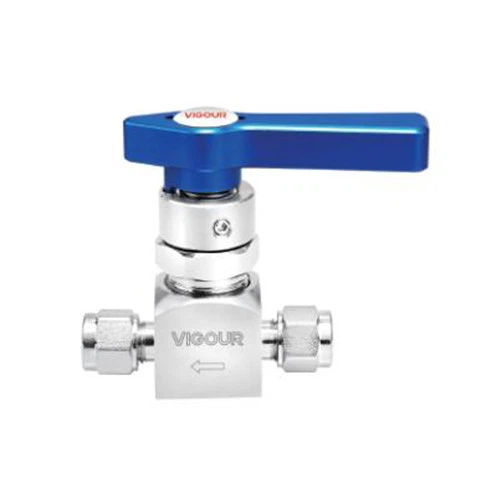
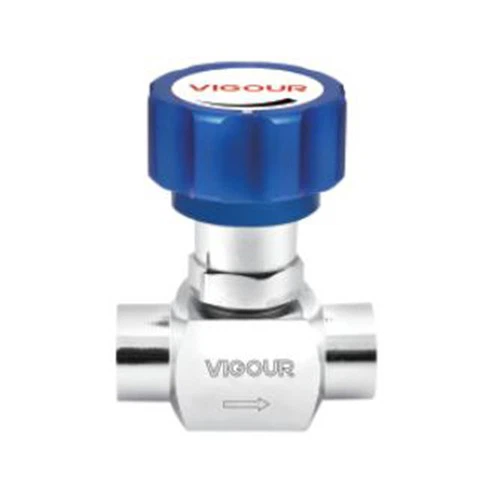
Ball valves are known for their quick - acting operation. You can go from fully open to fully closed with just a quarter - turn. They're also very reliable and can handle high - pressure fluids well. But they're not as good as globe valves for fine - tuning the flow rate.
High - Pressure Specifics
Now, when we're dealing with high - pressure fluids, things get a bit more complicated. HP valves need to be designed to withstand the high forces exerted by the fluid. The materials used are often stronger and more durable.
For example, in high - pressure applications, gate valves need to have a very tight seal to prevent leaks. The gate and the valve seat are made of materials that can handle the pressure without deforming. Globe valves in high - pressure systems need to be able to handle the force on the disc without getting damaged.
Specialized HP Valves
We also have some specialized HP valves that are designed for specific applications.
High Pressure Gas Check Valve
This valve is used to prevent backflow of high - pressure gases. It allows the gas to flow in one direction only. When the gas tries to flow in the reverse direction, a mechanism inside the valve closes, blocking the flow. It's like a one - way street for gases.
Low Pressure Diaphragm Valve
Even though it says low - pressure, it can still be part of an overall system where high - pressure control is important. Diaphragm valves use a flexible diaphragm to control the flow. The diaphragm can be pushed down to close the valve or lifted up to open it. They're great for applications where you need a tight seal and precise flow control, like in the pharmaceutical industry.
UHP Diaphragm Valve
Ultra - high - purity (UHP) diaphragm valves are used in applications where the fluid needs to be kept extremely clean, like in semiconductor manufacturing. They're designed to minimize contamination and provide very precise flow control in high - pressure situations.
Real - World Applications
Let's take a look at some real - world examples of how HP valves control fluid flow.
In an oil refinery, HP valves are used to control the flow of crude oil and refined products through the pipelines. Gate valves might be used to isolate sections of the pipeline for maintenance, while globe valves are used to regulate the flow rate of the oil as it moves through different processing units.
In a chemical plant, HP valves are crucial for handling corrosive and high - pressure chemicals. Ball valves are often used because they can provide a reliable seal and quick operation. Specialized valves, like the high - pressure gas check valves, are used to prevent the backflow of gases and ensure the safety of the process.
Factors Affecting Valve Performance
There are a few factors that can affect how well HP valves control fluid flow.
Fluid Properties
The properties of the fluid, like its viscosity, density, and corrosiveness, can have a big impact. For example, a highly viscous fluid might require a different type of valve than a low - viscosity one. Corrosive fluids need valves made of materials that can resist corrosion.
Pressure and Temperature
High pressure and temperature can put a lot of stress on the valve. The valve needs to be designed to handle these conditions without failing. If the pressure is too high, it can cause leaks or damage the valve components.
Maintenance and Troubleshooting
To keep HP valves working properly, regular maintenance is a must. This includes checking for leaks, inspecting the valve components for wear and tear, and lubricating moving parts if necessary.
If you notice that a valve isn't controlling the fluid flow as it should, there could be a few reasons. It could be a buildup of debris inside the valve, a worn - out seal, or a problem with the actuator (the part that moves the valve). Troubleshooting often involves checking these components and making the necessary repairs or replacements.
Wrapping Up
So, there you have it! HP valves are amazing devices that play a crucial role in controlling fluid flow in a wide range of applications. Whether it's a simple gate valve in a pipeline or a high - tech UHP diaphragm valve in a semiconductor cleanroom, these valves are designed to handle high - pressure situations and provide precise control.
If you're in the market for HP valves for your project or business, I'd love to have a chat with you. We can discuss your specific needs, the best type of valve for your application, and how we can ensure you get the most reliable and efficient valve solution. Just reach out, and let's start the conversation about your fluid flow control requirements.
References
- "Valve Handbook: Principles and Applications" by J. S. T. Pao
- "Fluid Mechanics and Thermodynamics of Turbomachinery" by S. L. Dixon
- Various industry - specific technical manuals and guides on high - pressure valve systems.


