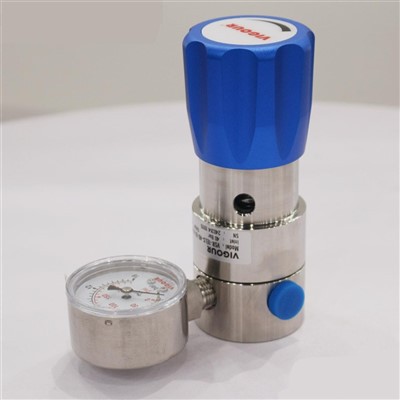
In the era of renewable energy, wind power plants have emerged as a significant source of clean and sustainable electricity. As a dedicated supplier of Pressure Control Panels, I often encounter inquiries regarding the applicability of our products in wind power plants. This blog post aims to explore the feasibility and benefits of using pressure control panels in wind power plants, delving into the technical aspects and practical considerations.


Understanding Pressure Control Panels
Before discussing their use in wind power plants, it's essential to understand what pressure control panels are. Pressure control panels are sophisticated electrical devices designed to monitor, regulate, and control pressure levels in various industrial processes. They typically consist of pressure sensors, controllers, relays, and other components that work together to maintain optimal pressure conditions.
Our Pressure Control Panels are engineered with precision and reliability in mind. They are equipped with advanced features such as automatic changeover systems, which ensure seamless operation even in the event of a primary pressure source failure. The Automatic Change Over System enhances the system's stability and reduces downtime, making it an ideal solution for critical applications.
The Role of Pressure in Wind Power Plants
Wind power plants rely on a complex network of mechanical and electrical components to convert wind energy into electricity. Pressure plays a crucial role in several aspects of this process, including hydraulic systems, lubrication systems, and cooling systems.
Hydraulic Systems
Hydraulic systems are used in wind turbines for various functions, such as pitch control and yaw control. Pitch control adjusts the angle of the turbine blades to optimize the power output, while yaw control ensures that the turbine is always facing the wind. These systems require precise pressure regulation to operate efficiently and safely. Pressure control panels can be used to monitor and adjust the pressure in hydraulic cylinders, ensuring smooth and accurate movement of the blades and the nacelle.
Lubrication Systems
Proper lubrication is essential for the longevity and performance of wind turbine components. Lubrication systems are responsible for supplying oil to the gears, bearings, and other moving parts. Pressure control panels can be employed to maintain the correct oil pressure in these systems, ensuring that the lubricant is distributed evenly and effectively. This helps to reduce friction, wear, and tear, and prevent costly breakdowns.
Cooling Systems
Wind turbines generate a significant amount of heat during operation, which needs to be dissipated to prevent overheating. Cooling systems, such as air-cooled or water-cooled radiators, are used to remove heat from the generator, power electronics, and other components. Pressure control panels can be used to monitor and control the pressure in the cooling circuits, ensuring that the coolant is flowing at the correct rate and pressure to maintain optimal operating temperatures.
Benefits of Using Pressure Control Panels in Wind Power Plants
The use of pressure control panels in wind power plants offers several benefits, including:
Improved Efficiency
By maintaining optimal pressure levels in hydraulic, lubrication, and cooling systems, pressure control panels can help to improve the overall efficiency of wind turbines. This results in increased power output and reduced energy consumption, leading to higher profitability for wind power plant operators.
Enhanced Reliability
Pressure control panels provide real-time monitoring and control of pressure levels, allowing for early detection of potential problems. This enables proactive maintenance and reduces the risk of unexpected breakdowns, minimizing downtime and maximizing the availability of the wind turbine.
Safety
Proper pressure regulation is crucial for the safety of wind turbine operators and the surrounding environment. Pressure control panels can be programmed to automatically shut down the system in the event of abnormal pressure conditions, preventing damage to equipment and ensuring the safety of personnel.
Cost Savings
By improving efficiency, reliability, and safety, pressure control panels can help to reduce the operating costs of wind power plants. This includes savings on maintenance, repairs, and energy consumption, as well as increased revenue from higher power output.
Technical Considerations
When considering the use of pressure control panels in wind power plants, several technical factors need to be taken into account:
Environmental Conditions
Wind power plants are often located in harsh environments, exposed to extreme temperatures, humidity, and wind conditions. Pressure control panels need to be designed and constructed to withstand these environmental factors and operate reliably in challenging conditions.
Compatibility
Pressure control panels need to be compatible with the existing electrical and hydraulic systems in the wind turbine. This includes ensuring that the panel's voltage, current, and signal requirements are compatible with the system's specifications.
Communication and Integration
In modern wind power plants, pressure control panels need to be integrated with the overall control system to enable remote monitoring and control. This requires the use of communication protocols such as Modbus, Profibus, or Ethernet, to transmit data between the panel and the central control unit.
Certification and Compliance
Pressure control panels used in wind power plants need to comply with various international standards and certifications, such as IEC 61400-1, UL 508A, and CE. These standards ensure that the panels are safe, reliable, and meet the requirements of the wind power industry.
Case Studies
To illustrate the practical application of pressure control panels in wind power plants, let's look at a few case studies:
Case Study 1: Hydraulic Pitch Control System
A wind power plant operator was experiencing issues with the pitch control system in one of its turbines. The system was not responding correctly to the control signals, resulting in reduced power output and increased wear on the blades. After installing a pressure control panel in the hydraulic circuit, the operator was able to monitor and adjust the pressure in real-time. This led to improved pitch control accuracy, increased power output, and reduced maintenance costs.
Case Study 2: Lubrication System
Another wind power plant was facing problems with the lubrication system in its gearbox. The oil pressure was fluctuating, causing uneven lubrication and premature wear on the gears. By installing a pressure control panel in the lubrication system, the operator was able to maintain a constant oil pressure, ensuring proper lubrication and extending the lifespan of the gearbox.
Conclusion
In conclusion, pressure control panels can be effectively used in wind power plants to monitor, regulate, and control pressure levels in hydraulic, lubrication, and cooling systems. The use of these panels offers several benefits, including improved efficiency, enhanced reliability, increased safety, and cost savings. However, it is important to consider the technical requirements and environmental conditions when selecting and installing pressure control panels in wind turbines.
As a leading supplier of Pressure Control Panels, we have the expertise and experience to provide customized solutions for wind power plants. Our panels are designed to meet the highest standards of quality, reliability, and performance, and are backed by our comprehensive after-sales support.
If you are interested in learning more about how our pressure control panels can benefit your wind power plant, or if you have any specific requirements, please feel free to contact us. We would be delighted to discuss your needs and provide you with a tailored solution.
References
- IEC 61400-1: Wind turbines - Part 1: Design requirements
- UL 508A: Standard for Industrial Control Panels
- CE: Conformité Européene - European Conformity