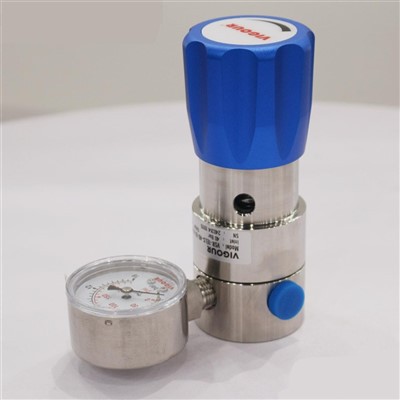
Can a high - pressure gas pressure transmitter be calibrated?
As a well - established supplier of gas pressure transmitters, I often encounter questions from customers regarding the calibration of high - pressure gas pressure transmitters. In this blog, I'll delve into this topic, exploring the necessity, methods, and importance of calibrating these crucial devices.
The Necessity of Calibration
High - pressure gas pressure transmitters play a vital role in numerous industries, including oil and gas, chemical processing, and manufacturing. These devices are used to measure and monitor the pressure of gases in various systems, ensuring safe and efficient operation. However, over time, factors such as mechanical wear, environmental conditions, and electrical drift can cause the transmitter's readings to deviate from the actual pressure values.
Calibration is essential to maintain the accuracy of the pressure transmitter. An inaccurate reading can lead to serious consequences, such as equipment failure, safety hazards, and production inefficiencies. For example, in a chemical processing plant, an incorrect pressure reading could result in over - pressurization of a reactor, leading to a potential explosion. Therefore, regular calibration is a must to guarantee the reliability of the gas pressure transmitter.
How High - Pressure Gas Pressure Transmitters Can Be Calibrated
There are several methods for calibrating high - pressure gas pressure transmitters, and the choice of method depends on various factors, such as the type of transmitter, the required accuracy level, and the available calibration equipment.
Deadweight Testers: Deadweight testers are one of the most accurate methods for calibrating pressure transmitters. They work by applying a known pressure to the transmitter using calibrated weights. The pressure is calculated based on the weight and the area over which it is applied. Deadweight testers are often used for high - precision calibration in laboratories and calibration facilities. However, they can be expensive and require careful handling due to the use of heavy weights.


Pressure Calibrators: Pressure calibrators are portable devices that can generate a known pressure and compare it with the output of the pressure transmitter. They are more convenient for on - site calibration and can be used in a variety of industrial settings. Some pressure calibrators can also perform additional functions, such as temperature compensation and data logging.
Comparison Calibration: In comparison calibration, the pressure transmitter to be calibrated is compared with a reference pressure transmitter that has been previously calibrated. The reference transmitter is assumed to be accurate, and the differences between the two transmitters are adjusted to bring the calibrated transmitter within the acceptable accuracy range. This method is relatively simple and cost - effective but may have limitations in terms of accuracy.
The Importance of Professional Calibration
While it may be tempting for some users to attempt to calibrate their high - pressure gas pressure transmitters in - house, it is highly recommended to use professional calibration services. Professional calibration technicians have the necessary training, experience, and equipment to ensure accurate and reliable calibration.
They are familiar with the latest calibration standards and procedures, which helps to ensure that the calibration is performed in accordance with industry best practices. Additionally, professional calibration services often provide calibration certificates, which can be used for quality control and regulatory compliance purposes.
Related Products in Our Portfolio
As a gas pressure transmitter supplier, we also offer a range of complementary products that can enhance the performance and safety of your gas systems. For instance, our High Purity Gas Filter is designed to remove impurities from the gas, ensuring clean and reliable operation of the pressure transmitter and other gas - handling equipment.
Our Co2 Gas Heater is ideal for applications where the temperature of the CO2 gas needs to be controlled, which can have a significant impact on the pressure measurement accuracy. And our Gas Psi Gauge provides a visual indication of the gas pressure, allowing for quick and easy monitoring.
Encouraging Contact for Procurement
If you are in need of high - quality gas pressure transmitters or related products, or if you have any questions about calibration or other aspects of gas pressure measurement, we are here to help. Our team of experts can provide you with detailed information about our products, offer technical support, and assist you in finding the best solutions for your specific needs.
Whether you are looking to purchase a new pressure transmitter, calibrate an existing one, or upgrade your gas system with complementary products, we are committed to providing you with the highest level of service and quality. Please feel free to contact us to start a discussion about your requirements and explore the possibilities of working together.
References
- ISO 17025:2017, General requirements for the competence of testing and calibration laboratories.
- ASME PTC 19.2 - 2010, Pressure measurement.
- National Institute of Standards and Technology (NIST) Handbook 44 - Specifications, Tolerances, and Other Technical Requirements for Weighing and Measuring Devices.