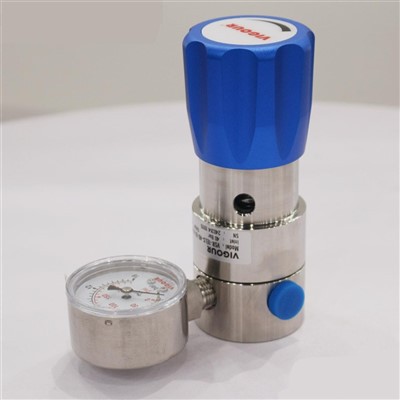
When it comes to operating a compressed air system, one of the critical considerations is the accurate measurement of pressure. A gas psi gauge is a common tool used to measure pressure in pounds per square inch (psi). But the question that often arises is: Can a gas psi gauge be used in a compressed air system? As a supplier of Gas Psi Gauges, I'm here to delve into this topic and provide you with a comprehensive answer.
Understanding Gas Psi Gauges
Gas psi gauges are designed to measure the pressure of gases. They work on the principle of converting the mechanical force exerted by the gas pressure into a readable value on a dial or digital display. These gauges are available in various types, including analog and digital, and can be calibrated to different pressure ranges.
The basic components of a gas psi gauge typically include a sensing element, a movement mechanism, and a display. The sensing element, often a Bourdon tube or a diaphragm, deforms under the pressure of the gas. This deformation is then translated into a rotational movement by the movement mechanism, which is finally displayed on the gauge face.
Compressed Air Systems: An Overview
Compressed air systems are widely used in various industries, from manufacturing and automotive to food and beverage. These systems work by compressing air using a compressor and then storing it in a tank or distributing it through a network of pipes to power various tools and equipment.
The pressure in a compressed air system is a crucial parameter. It affects the performance and efficiency of the equipment connected to the system. If the pressure is too low, the tools may not operate properly, while excessive pressure can lead to equipment damage and safety hazards.
Can a Gas Psi Gauge Be Used in a Compressed Air System?
The short answer is yes, a gas psi gauge can be used in a compressed air system. Air is a gas, and the principles of pressure measurement are the same regardless of the type of gas. However, there are several factors to consider before using a gas psi gauge in a compressed air system.


Compatibility
The first consideration is the compatibility of the gauge with the compressed air system. The gauge should be rated for the maximum pressure that the system can reach. For example, if your compressed air system operates at a maximum pressure of 150 psi, you need a gauge that can measure up to at least 150 psi.
In addition to pressure rating, the gauge should also be compatible with the materials used in the compressed air system. Some gauges are designed for specific gases or environments. For instance, if your compressed air system contains moisture or contaminants, you may need a gauge that is resistant to corrosion.
Accuracy
Accuracy is another important factor. A gas psi gauge used in a compressed air system should provide accurate pressure readings. Inaccurate readings can lead to improper operation of the equipment and potential safety risks.
To ensure accuracy, it's essential to calibrate the gauge regularly. Calibration involves comparing the gauge's readings with a known standard and adjusting it if necessary. Many gas psi gauges come with a calibration certificate, which indicates that the gauge has been tested and meets certain accuracy standards.
Installation
Proper installation of the gas psi gauge is crucial for accurate and reliable operation. The gauge should be installed in a location where it can easily be read and accessed for maintenance. It should also be installed in a way that minimizes vibration and shock, as these can affect the gauge's accuracy.
When installing the gauge, make sure to use the appropriate fittings and seals to prevent leaks. Leaks can not only affect the pressure readings but also pose a safety hazard.
Advantages of Using a Gas Psi Gauge in a Compressed Air System
Using a gas psi gauge in a compressed air system offers several advantages.
Monitoring and Control
A gas psi gauge allows you to monitor the pressure in the compressed air system in real-time. This enables you to detect any pressure fluctuations or abnormalities quickly and take appropriate action. For example, if the pressure drops suddenly, it could indicate a leak in the system, and you can investigate and fix the problem before it causes further damage.
Safety
Accurate pressure measurement is essential for the safety of the compressed air system. A gas psi gauge helps you ensure that the pressure in the system stays within the safe operating range. If the pressure exceeds the maximum limit, you can take steps to reduce it, such as adjusting the compressor settings or releasing some of the compressed air.
Efficiency
By monitoring the pressure in the compressed air system, you can optimize its operation and improve efficiency. For example, you can adjust the pressure to match the requirements of the equipment connected to the system, which can reduce energy consumption and extend the lifespan of the equipment.
Related Accessories for Compressed Air Systems
In addition to gas psi gauges, there are several other accessories that can enhance the performance and safety of a compressed air system.
- High Purity Gas Filter: A high purity gas filter can remove contaminants and moisture from the compressed air, which can improve the quality of the air and protect the equipment connected to the system.
- Gas High Pressure Hoses: These hoses are designed to withstand high pressures and are used to connect different components of the compressed air system. They are available in various sizes and materials to suit different applications.
- Co2 Gas Heater: In some compressed air systems, a CO2 gas heater may be required to prevent the formation of ice or frost, especially in cold environments.
Conclusion
In conclusion, a gas psi gauge can be used in a compressed air system, provided that it is compatible, accurate, and installed correctly. Using a gas psi gauge offers several advantages, including monitoring and control, safety, and efficiency.
If you're in the market for a gas psi gauge or other accessories for your compressed air system, we're here to help. As a leading supplier of gas psi gauges, we offer a wide range of high-quality products that are designed to meet the needs of various applications. Contact us today to discuss your requirements and explore how our products can enhance the performance and safety of your compressed air system.
References
- ASME PTC 9.1-2010, “Test Code on Compressors and Exhausters”
- ISO 8573-1:2010, “Compressed air - Part 1: Contaminants and purity classes”
- Manufacturer's manuals and technical specifications for gas psi gauges and compressed air system components.