


Hey there! As a supplier of Ultra-High Purity (UHP) Diaphragm Valves, I often get asked about how to test the performance of these valves. In this blog, I'll share some practical and effective ways to test UHP Diaphragm Valves, which can help you ensure their quality and reliability.
Why Testing UHP Diaphragm Valves is Crucial
UHP Diaphragm Valves are widely used in industries where high purity and precise flow control are required, such as semiconductor manufacturing, pharmaceutical production, and food and beverage processing. Any performance issues with these valves can lead to product contamination, process inefficiencies, and even safety hazards. Therefore, thorough testing is essential to guarantee that the valves meet the strict requirements of these industries.
Visual Inspection
The first step in testing a UHP Diaphragm Valve is a visual inspection. This is a simple yet important process that can reveal obvious defects or damages. Check the valve body for any cracks, scratches, or signs of corrosion. Make sure the diaphragm is intact and properly installed, without any visible tears or deformities. Also, examine the valve connections to ensure they are clean and free of debris. A damaged valve body or diaphragm can significantly affect the valve's performance, so it's crucial to catch these issues early on.
Pressure Testing
Pressure testing is one of the most important tests for UHP Diaphragm Valves. It helps to determine the valve's ability to withstand the specified pressure without leaking. There are two main types of pressure tests: hydrostatic and pneumatic.
Hydrostatic Testing
In hydrostatic testing, the valve is filled with a liquid, usually water, and then pressurized to a certain level. The pressure is maintained for a specific period, typically 10 to 30 minutes, while the valve is carefully inspected for any signs of leakage. This test is effective in detecting leaks in the valve body, diaphragm, and connections. However, it's important to ensure that the valve is completely dry after the test to prevent corrosion.
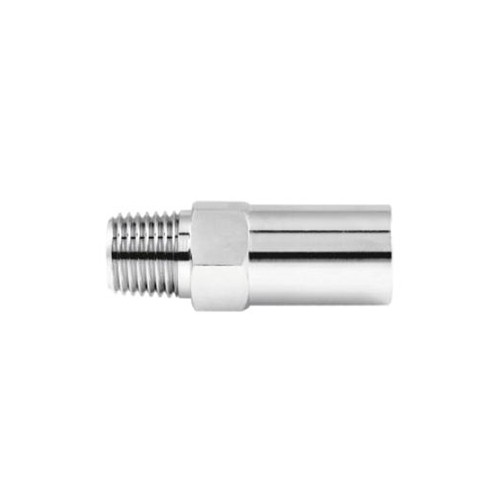

Pneumatic Testing
Pneumatic testing uses a gas, such as air or nitrogen, to pressurize the valve. Similar to hydrostatic testing, the valve is pressurized to a specified level and held for a set time. Pneumatic testing is more sensitive to small leaks than hydrostatic testing, as gases can escape through smaller openings. However, it requires more careful handling due to the potential for rapid pressure release.
Flow Testing
Flow testing is used to evaluate the valve's ability to control the flow of fluid accurately. In this test, a fluid is passed through the valve at a known flow rate, and the pressure drop across the valve is measured. The results are then compared to the valve's specifications to determine if it is performing within the acceptable range. Flow testing can also help to identify any restrictions or blockages in the valve that may affect its performance.
Sealing Performance Testing
The sealing performance of a UHP Diaphragm Valve is crucial for preventing leakage and maintaining the purity of the fluid. To test the sealing performance, the valve is closed and pressurized on one side. The pressure is then monitored on the other side to check for any pressure drop, which indicates a leak. This test can be performed using either a liquid or a gas, depending on the application.
Diaphragm Integrity Testing
The diaphragm is the key component of a UHP Diaphragm Valve, and its integrity directly affects the valve's performance. There are several methods to test the diaphragm's integrity, including pressure decay testing and bubble testing.
Pressure Decay Testing
In pressure decay testing, the valve is pressurized to a certain level and then isolated. The pressure is monitored over time, and any significant pressure drop indicates a leak in the diaphragm. This test is relatively simple and can be performed quickly.
Bubble Testing
Bubble testing involves submerging the valve in a liquid and applying pressure. If there is a leak in the diaphragm, bubbles will form at the point of leakage. This test is very sensitive and can detect even small leaks, but it requires careful observation.
Temperature Testing
UHP Diaphragm Valves may be exposed to a wide range of temperatures in different applications. Temperature testing is used to evaluate the valve's performance at different temperatures. The valve is placed in a temperature-controlled environment and tested under various temperature conditions. This test helps to ensure that the valve can maintain its performance and integrity over a wide temperature range.
Material Compatibility Testing
In applications where the valve comes into contact with different fluids, it's important to test the material compatibility. This test involves exposing the valve to the actual fluid or a representative sample for a certain period. After the exposure, the valve is inspected for any signs of corrosion, degradation, or chemical reaction. Using a valve with incompatible materials can lead to premature failure and contamination of the fluid.
Using Related Valves for Comparison
If you're unsure about the performance of your UHP Diaphragm Valve, you can also compare it with other related valves. For example, you can check out the Stainless Steel Gas Ball Valve or the Low Pressure Diaphragm Valve to see how they perform under similar conditions. The High Pressure Gas Relief Valve can also provide some insights into valve performance and safety features.
Conclusion
Testing the performance of UHP Diaphragm Valves is a comprehensive process that involves multiple tests. By conducting these tests, you can ensure that the valves meet the high standards required in industries such as semiconductor manufacturing, pharmaceuticals, and food and beverage processing. If you're in the market for high-quality UHP Diaphragm Valves or need more information about valve testing, don't hesitate to contact us for procurement and further discussion. We're here to help you find the best valve solutions for your specific needs.
References
- ASME B16.34 - Valves - Flanged, Threaded, and Welded End
- API 598 - Valve Inspection and Testing
- ISO 5208 - Industrial valves - Pressure testing of valves


