


Hey there! As a supplier of Ultra-High Purity (UHP) Diaphragm Valves, I often get asked about various technical aspects of these valves. One question that comes up quite a bit is about the radiation resistance of UHP Diaphragm Valves. So, let's dive right into it and explore what radiation resistance means in the context of these valves and whether it's applicable.
First off, let's understand what UHP Diaphragm Valves are. These valves are designed for applications where extremely high purity is required, like in the semiconductor industry, pharmaceutical manufacturing, and high - tech research. They use a flexible diaphragm to control the flow of fluids, which provides a tight seal and minimizes the risk of contamination.
Now, when we talk about radiation resistance, we're referring to a material's or a component's ability to withstand the effects of radiation without significant degradation. Radiation can come in different forms, such as gamma rays, X - rays, and neutron radiation. In some industries, like nuclear power generation, space exploration, and certain medical applications, equipment is exposed to high levels of radiation.
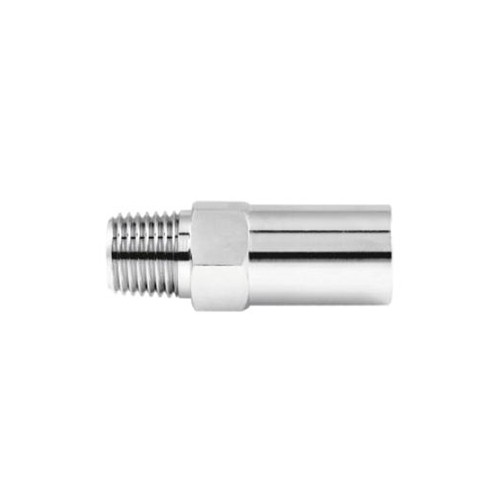

So, is radiation resistance applicable to UHP Diaphragm Valves? Well, it depends on the application. In most of the typical applications of UHP Diaphragm Valves, like semiconductor manufacturing or pharmaceutical production, radiation is not a major concern. These industries are more focused on maintaining purity, preventing contamination, and ensuring accurate flow control.
However, there are niche applications where radiation resistance might be relevant. For example, in some nuclear research facilities or in space - based experiments, where UHP Diaphragm Valves could be used to control the flow of high - purity gases or liquids in a radiation - rich environment.
The materials used in UHP Diaphragm Valves play a crucial role in determining their radiation resistance. The body of the valve is often made of stainless steel, which has a relatively good resistance to radiation. Stainless steel can withstand a certain amount of radiation exposure without significant structural changes or loss of mechanical properties.
The diaphragm, on the other hand, is usually made of materials like PTFE (Polytetrafluoroethylene) or other fluoropolymers. These materials are known for their chemical resistance and low friction, but their radiation resistance is somewhat limited. When exposed to high - energy radiation, PTFE can undergo a process called radiolysis, where the polymer chains break down, leading to changes in its physical and chemical properties.
To improve the radiation resistance of UHP Diaphragm Valves, manufacturers can take several approaches. One option is to use radiation - resistant polymers instead of PTFE. There are some specialized polymers available that have been developed to withstand radiation better. Another approach is to shield the valve from radiation using external shielding materials.
If you're in an industry where radiation is a concern and you're considering using UHP Diaphragm Valves, it's important to work closely with the valve supplier. We, as a supplier, can help you select the right materials and design the valve to meet your specific radiation resistance requirements.
Now, let's talk a bit about some other related valves that we offer. We also have High Pressure Gas Relief Valve, which are designed to release excess pressure in a high - pressure gas system. These valves are crucial for ensuring the safety of the system and preventing over - pressurization.
Our High Pressure Diaphragm Valve are similar to UHP Diaphragm Valves but are specifically designed to handle high - pressure applications. They offer the same benefits of tight sealing and low contamination risk, but with the added ability to withstand high pressures.
And if you're looking for a different type of valve for gas applications, we have Stainless Steel Gas Ball Valve. These valves are known for their durability and reliable operation in gas systems.
If you're interested in any of our valves, whether it's UHP Diaphragm Valves, High Pressure Gas Relief Valves, High Pressure Diaphragm Valves, or Stainless Steel Gas Ball Valves, we'd love to have a chat with you. We can discuss your specific requirements, provide technical advice, and help you find the best valve solution for your application. Don't hesitate to reach out and start the conversation about your procurement needs.
In conclusion, while radiation resistance may not be a common requirement for UHP Diaphragm Valves, it's an important consideration in certain specialized applications. By understanding the materials and design options available, we can work together to ensure that the valves meet your specific needs. So, if you have any questions or if you're ready to start a procurement process, just let us know.
References
- "Handbook of Valves for the Chemical Industry"
- "Materials Science and Engineering: An Introduction"


