


Can a gas psi gauge be used in a fuel gas system? This is a question that many in the industry often grapple with. As a supplier of Gas Psi Gauges, I have had the opportunity to engage with numerous customers on this very topic. In this blog, I will delve into the feasibility, considerations, and benefits of using a gas psi gauge in a fuel gas system.
Understanding Gas Psi Gauges
Before we explore their use in fuel gas systems, it's essential to understand what gas psi gauges are. A gas psi gauge, also known as a pressure gauge, is a device used to measure the pressure of a gas. It provides a numerical reading in pounds per square inch (psi), which is a standard unit of pressure measurement. These gauges come in various types, including mechanical and digital, each with its own set of advantages.
Mechanical gauges are often preferred for their simplicity and reliability. They operate based on the principle of mechanical movement, where the pressure of the gas causes a mechanical component, such as a bourdon tube, to deform. This deformation is then translated into a reading on the gauge's dial. Digital gauges, on the other hand, use electronic sensors to measure pressure and display the reading on a digital screen. They offer greater accuracy and can often provide additional features such as data logging and remote monitoring.
Feasibility of Using Gas Psi Gauges in Fuel Gas Systems
The short answer is yes, a gas psi gauge can be used in a fuel gas system. Fuel gas systems, whether they are used in industrial applications, commercial kitchens, or residential settings, require accurate pressure monitoring to ensure safe and efficient operation. Gas psi gauges play a crucial role in this process by providing real - time pressure readings.
In an industrial fuel gas system, for example, maintaining the correct pressure is essential for the proper functioning of burners, boilers, and other equipment. If the pressure is too high, it can lead to safety hazards such as leaks, explosions, or damage to the equipment. Conversely, if the pressure is too low, the equipment may not operate efficiently, resulting in increased energy consumption and reduced performance. A gas psi gauge allows operators to monitor the pressure and make adjustments as needed to maintain optimal conditions.
In a commercial kitchen, where natural gas or propane is commonly used for cooking, a gas psi gauge is used to ensure that the burners receive the correct amount of fuel. This not only ensures consistent cooking results but also reduces the risk of gas leaks, which can be extremely dangerous in a confined space.
Considerations When Using Gas Psi Gauges in Fuel Gas Systems
While gas psi gauges are suitable for use in fuel gas systems, there are several important considerations that need to be taken into account.
Compatibility
The first consideration is compatibility. The gas psi gauge must be compatible with the type of fuel gas being used. Different gases have different chemical properties, and some gases may be corrosive or reactive with certain materials. For example, natural gas is relatively inert, but propane can be more aggressive, especially when it comes into contact with certain types of seals and gaskets. Therefore, it is crucial to choose a gauge that is specifically designed for use with the particular fuel gas in the system.
Pressure Range
Another important consideration is the pressure range. Fuel gas systems can operate at different pressure levels, depending on the application. It is essential to select a gas psi gauge with a pressure range that is appropriate for the system. If the gauge has a too - low pressure range, it may be damaged or provide inaccurate readings when the pressure exceeds its maximum capacity. On the other hand, if the pressure range is too high, the gauge may not be sensitive enough to detect small changes in pressure, which can be critical in some applications.
Safety Features
Safety is always a top priority in fuel gas systems. When selecting a gas psi gauge, it is important to choose one that has appropriate safety features. Some gauges come with over - pressure protection, which can prevent the gauge from being damaged in the event of a sudden pressure spike. Others may have a burst disc or other safety mechanisms to prevent the release of gas in case of a failure. Additionally, it is important to ensure that the gauge is installed and maintained in accordance with all relevant safety standards and regulations.

Benefits of Using Gas Psi Gauges in Fuel Gas Systems
Using a gas psi gauge in a fuel gas system offers several significant benefits.
Improved Safety
As mentioned earlier, accurate pressure monitoring is essential for the safety of a fuel gas system. A gas psi gauge allows operators to detect any abnormal pressure changes early, which can help prevent potential safety hazards such as gas leaks, explosions, or equipment failures. By maintaining the correct pressure, the risk of accidents and injuries can be significantly reduced.
Enhanced Efficiency
Proper pressure control is also crucial for the efficiency of a fuel gas system. When the pressure is maintained at the optimal level, the equipment operates more efficiently, which can result in lower energy consumption and reduced operating costs. For example, in a boiler system, a gas psi gauge can help ensure that the burner is receiving the correct amount of fuel, which can improve combustion efficiency and reduce emissions.
Predictive Maintenance
Gas psi gauges can also be used for predictive maintenance. By monitoring the pressure over time, operators can detect any trends or changes in the pressure that may indicate a potential problem with the system. For example, a gradual decrease in pressure may indicate a leak in the system, while a sudden increase in pressure may suggest a blockage or a malfunction in the equipment. By identifying these issues early, maintenance can be scheduled before a major breakdown occurs, which can save time and money in the long run.
Related Accessories for Fuel Gas Systems
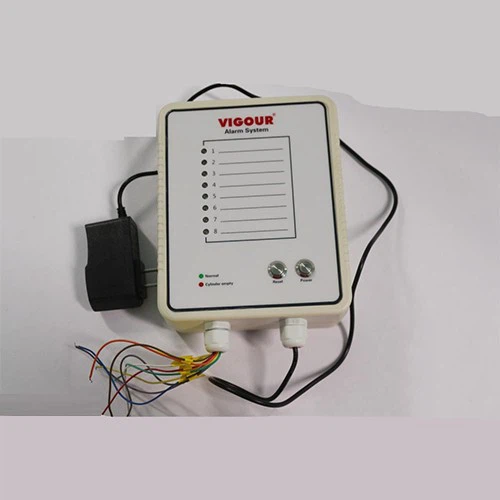
In addition to gas psi gauges, there are several other accessories that are commonly used in fuel gas systems. For example, a Gas Alarm System can be installed to detect the presence of gas leaks and alert the operators in case of an emergency. Gas High Pressure Hoses are used to transport the fuel gas from the source to the equipment, and they must be able to withstand the high pressures and the chemical properties of the gas. A Gas Pressure Transmitter can be used to convert the pressure signal into an electrical signal, which can be transmitted to a control system for further processing and monitoring.
Conclusion
In conclusion, a gas psi gauge can and should be used in a fuel gas system. It provides accurate pressure monitoring, which is essential for the safety, efficiency, and reliability of the system. However, it is important to choose the right gauge based on compatibility, pressure range, and safety features. By doing so, operators can ensure that their fuel gas systems operate smoothly and safely.
If you are interested in purchasing a gas psi gauge or other related accessories for your fuel gas system, I encourage you to reach out to me for more information and to discuss your specific requirements. We can work together to find the best solution for your needs.
References
- ASME Boiler and Pressure Vessel Code
- NFPA 54 National Fuel Gas Code
- OSHA regulations related to fuel gas systems


