


Can a gas alarm system be used in storage areas? This is a question that many facility managers, safety officers, and business owners often grapple with. As a leading supplier of Gas Alarm System, I am frequently asked about the suitability and effectiveness of gas alarm systems in storage areas. In this blog post, I will delve into the details of this topic, exploring the benefits, considerations, and best practices for using gas alarm systems in storage facilities.
The Importance of Gas Safety in Storage Areas
Storage areas are diverse environments that can house a wide range of materials, including flammable liquids, combustible gases, and toxic substances. These materials pose significant risks, such as fire, explosion, and health hazards to workers and the surrounding environment. Gas leaks can occur due to various reasons, including faulty storage containers, improper handling, or equipment malfunctions. Without proper detection and early warning, a small gas leak can quickly escalate into a major incident.
A gas alarm system plays a crucial role in ensuring the safety of storage areas. It continuously monitors the air for the presence of dangerous gases and alerts personnel when gas levels exceed pre - set thresholds. This early warning allows for prompt action to be taken, such as evacuating the area, shutting off gas sources, and initiating emergency response procedures.
Types of Gases Commonly Found in Storage Areas
Before discussing the use of gas alarm systems, it is important to understand the types of gases that may be present in storage areas. Some of the most common gases include:
- Flammable Gases: Examples include methane, propane, and hydrogen. These gases can form explosive mixtures with air, and even a small spark can trigger an explosion.
- Toxic Gases: Carbon monoxide (CO), hydrogen sulfide (H₂S), and ammonia (NH₃) are toxic gases that can cause serious health problems, including respiratory issues, neurological damage, and even death.
- Asphyxiant Gases: Nitrogen (N₂) and carbon dioxide (CO₂) are asphyxiant gases. They can displace oxygen in the air, leading to oxygen deficiency and suffocation.
Benefits of Using a Gas Alarm System in Storage Areas
- Early Detection: Gas alarm systems are designed to detect gas leaks at the earliest possible stage. This early detection can prevent the accumulation of dangerous gas concentrations, reducing the risk of fire, explosion, and health hazards.
- 24/7 Monitoring: Storage areas may not be constantly occupied, especially during off - hours. A gas alarm system provides continuous monitoring, ensuring that any gas leaks are detected even when no one is present.
- Compliance with Regulations: Many industries are subject to strict safety regulations regarding the storage of hazardous materials. Installing a gas alarm system helps businesses comply with these regulations and avoid costly fines.
- Peace of Mind: Knowing that a reliable gas alarm system is in place gives facility managers and workers peace of mind. It allows them to focus on their work without constantly worrying about the potential risks of gas leaks.
Considerations for Using a Gas Alarm System in Storage Areas
- Gas Type and Concentration Range: Different storage areas may contain different types of gases, and the gas alarm system must be capable of detecting the specific gases present. Additionally, the system should be calibrated to the appropriate concentration range for each gas. For example, a storage area for flammable gases may require a gas alarm system that can detect low - level leaks to prevent the formation of explosive mixtures.
- Environmental Conditions: Storage areas can have varying environmental conditions, such as temperature, humidity, and dust levels. These conditions can affect the performance of the gas alarm system. For example, high humidity can cause corrosion of sensors, while dust can clog the sensors and reduce their sensitivity. Therefore, it is important to choose a gas alarm system that is suitable for the specific environmental conditions of the storage area.
- Placement of Sensors: Proper placement of gas sensors is crucial for effective gas detection. Sensors should be installed in areas where gas leaks are most likely to occur, such as near storage containers, valves, and pipelines. They should also be placed at the appropriate height, as different gases have different densities. For example, flammable gases that are lighter than air, such as methane, will rise, so sensors should be installed near the ceiling. In contrast, heavier gases, such as propane, will sink, and sensors should be placed near the floor.
- Maintenance and Calibration: Gas alarm systems require regular maintenance and calibration to ensure accurate and reliable operation. This includes cleaning the sensors, checking the battery (if applicable), and performing calibration checks at regular intervals. Failure to maintain and calibrate the system can lead to false alarms or, more dangerously, a failure to detect gas leaks.
Complementary Equipment for Gas Safety in Storage Areas
In addition to gas alarm systems, other equipment can enhance gas safety in storage areas. One such device is the Gas Pressure Transmitter. Gas pressure transmitters can monitor the pressure of gas storage containers and pipelines. Abnormal pressure changes can indicate a gas leak or other issues, and the transmitter can send alerts to the control system or operators.
Another useful piece of equipment is the Co2 Gas Heater. In some storage areas, maintaining the right temperature is crucial for the stability of stored gases. A CO₂ gas heater can help regulate the temperature, preventing issues such as gas condensation or over - pressurization.
Case Studies: Successful Use of Gas Alarm Systems in Storage Areas
Let's take a look at a few real - world examples of how gas alarm systems have been successfully used in storage areas.
In a chemical storage facility, a gas alarm system detected a small leak of hydrogen sulfide gas. The early warning allowed the facility managers to quickly evacuate the area, isolate the source of the leak, and prevent a potentially dangerous situation. The incident was resolved without any injuries or significant damage to the facility.

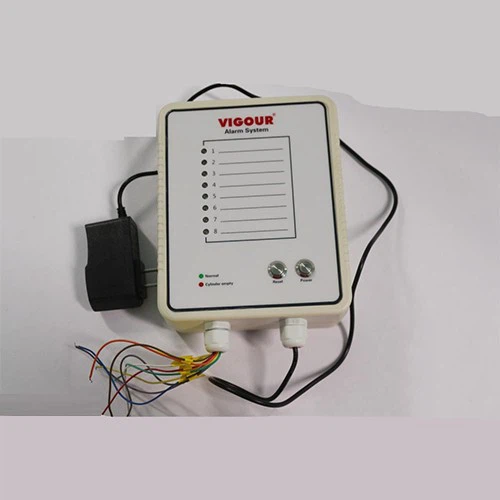
In a warehouse storing propane cylinders, a gas alarm system installed near the storage racks detected a propane leak. The system immediately triggered an alarm, and the workers were able to shut off the gas supply and ventilate the area. This prevented the formation of an explosive mixture and a potential explosion.
Conclusion
In conclusion, a gas alarm system is an essential safety device for storage areas. It provides early detection of gas leaks, continuous monitoring, and compliance with safety regulations. However, to ensure its effectiveness, careful consideration must be given to factors such as gas type, environmental conditions, sensor placement, and maintenance. By choosing the right gas alarm system and implementing best practices, businesses can significantly reduce the risks associated with gas storage and protect the safety of their workers and facilities.
If you are interested in learning more about our Gas Alarm System or need assistance in selecting the right system for your storage area, please feel free to reach out to us. Our team of experts is ready to provide you with personalized solutions and support. We look forward to discussing your gas safety needs and helping you create a safer storage environment.
References
- Occupational Safety and Health Administration (OSHA). Hazardous Materials Standards.
- National Fire Protection Association (NFPA). Codes and Standards related to gas storage and safety.
- International Electrotechnical Commission (IEC). Standards for gas detection equipment.


