


As a trusted supplier of HP gas regulators, I'm excited to delve into the various parts that make up these essential devices. HP gas regulators are crucial components in a wide range of industries, ensuring the safe and efficient control of gas pressure. Understanding the different parts of an HP gas regulator is essential for proper installation, maintenance, and troubleshooting. In this blog post, I'll break down the key components of an HP gas regulator and explain their functions.
Inlet and Outlet Ports
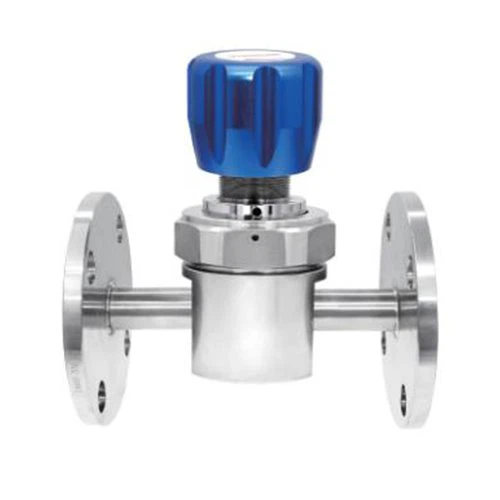
The inlet and outlet ports are the entry and exit points for the gas in the regulator. The inlet port is where the high-pressure gas from the source, such as a gas cylinder or pipeline, enters the regulator. The outlet port, on the other hand, is where the regulated gas exits the regulator and is delivered to the application. These ports are typically equipped with threads or connections that allow for easy installation and connection to the gas supply and the downstream equipment.

Diaphragm
The diaphragm is a flexible membrane that separates the high-pressure side of the regulator from the low-pressure side. It plays a crucial role in regulating the gas pressure. When the high-pressure gas enters the regulator, it exerts a force on the diaphragm. The diaphragm then moves in response to this force, controlling the opening and closing of the valve. As the diaphragm moves, it adjusts the flow of gas through the regulator, maintaining a constant output pressure.
Valve
The valve is another critical part of the HP gas regulator. It is responsible for controlling the flow of gas through the regulator. The valve is connected to the diaphragm and moves in tandem with it. When the diaphragm moves due to the pressure difference, it opens or closes the valve to regulate the gas flow. A well-designed valve ensures precise control of the gas pressure and flow rate, allowing for accurate and consistent performance.
Spring
The spring is used to provide the necessary force to counteract the pressure exerted by the gas on the diaphragm. It helps to set the desired output pressure of the regulator. By adjusting the tension of the spring, the output pressure can be fine-tuned. A stronger spring will result in a higher output pressure, while a weaker spring will lower the output pressure. The spring is carefully calibrated to ensure that the regulator maintains a stable output pressure under varying input pressures and flow rates.
Gauges
Many HP gas regulators are equipped with gauges to display the inlet and outlet pressures. The inlet gauge shows the pressure of the gas entering the regulator, while the outlet gauge indicates the pressure of the gas leaving the regulator. These gauges provide valuable information to the operator, allowing them to monitor the performance of the regulator and ensure that it is functioning correctly. By observing the gauge readings, any abnormal pressure variations can be detected early, enabling timely maintenance or adjustment.
Relief Valve
A relief valve is an important safety feature in an HP gas regulator. It is designed to open automatically if the pressure inside the regulator exceeds a certain limit. This prevents over - pressurization of the system, which could lead to dangerous situations such as leaks or explosions. The relief valve releases the excess gas safely to the atmosphere, protecting the regulator and the downstream equipment from damage.
Filter
Some HP gas regulators are equipped with filters to remove contaminants from the gas stream. These contaminants can include dust, dirt, and other particles that could damage the internal components of the regulator or affect its performance. The filter traps these particles, ensuring that only clean gas passes through the regulator. This helps to extend the lifespan of the regulator and maintain its efficiency.
Types of HP Gas Regulators and Their Applications
Now that we've covered the basic parts of an HP gas regulator, let's take a look at some specific types of regulators and their applications.
-
Dual Stage Gas Pressure Regulator: Dual stage regulators are designed to provide more precise and stable pressure control. They consist of two stages of pressure reduction, which helps to minimize the effect of fluctuations in the inlet pressure on the outlet pressure. These regulators are commonly used in applications where a constant and accurate pressure is required, such as in laboratory equipment and some industrial processes. You can learn more about Dual Stage Gas Pressure Regulator.
-
Calibration Gas Regulators: Calibration gas regulators are used in applications where the gas needs to be precisely calibrated. They are often used in the calibration of gas analyzers and other measuring instruments. These regulators ensure that the gas is delivered at a specific pressure and flow rate, allowing for accurate calibration. For more information on Calibration Gas Regulators, visit our website.
-
Food Industrial Use Gas Pressure Regulator: In the food industry, gas regulators play a crucial role in ensuring the safety and quality of food products. Food industrial use gas pressure regulators are designed to meet the strict hygiene and safety standards of the food industry. They are used in applications such as gas cooking, refrigeration, and packaging. These regulators help to maintain the proper gas pressure for efficient and safe operation. Check out our Food Industrial Use Gas Pressure Regulator for more details.
Importance of Quality Parts
Using high - quality parts in HP gas regulators is of utmost importance. Inferior parts can lead to poor performance, inaccurate pressure control, and even safety hazards. At our company, we source only the best materials and components for our HP gas regulators. Our parts are carefully inspected and tested to ensure that they meet the highest standards of quality and reliability. This ensures that our regulators provide long - lasting performance and peace of mind to our customers.
Maintenance and Troubleshooting
Regular maintenance of HP gas regulators is essential to ensure their proper functioning. This includes checking the gauges for accurate readings, inspecting the diaphragm and valve for any signs of wear or damage, and cleaning the filter if present. If any issues are detected, the parts should be replaced promptly. Troubleshooting can also be carried out by referring to the manufacturer's manual. For example, if the output pressure is unstable, it could be due to a faulty diaphragm or spring. By understanding the different parts of the regulator, it becomes easier to diagnose and fix problems.
Conclusion
In conclusion, the various parts of an HP gas regulator work together in a complex and coordinated manner to ensure the safe and efficient control of gas pressure. From the inlet and outlet ports to the diaphragm, valve, spring, gauges, relief valve, and filter, each part plays a vital role in the regulator's performance. Whether you need a Dual Stage Gas Pressure Regulator, a Calibration Gas Regulators, or a Food Industrial Use Gas Pressure Regulator, we have the right solution for you.
If you are in the market for high - quality HP gas regulators, we invite you to contact us for a purchase negotiation. Our team of experts is ready to assist you in selecting the most suitable regulator for your specific needs. We are committed to providing excellent customer service and reliable products.
References
- Compressed Gas Association. (2016). Gas Regulators and Accessories. Handbook of Compressed Gas Technology.
- International Organization for Standardization. (2018). ISO 2503:2018 Gas cylinders - Gas regulators for built - in use.


